

Focus Group: Wellness Warriors × Junkless Bars, Packaging & Messaging Evaluation
May 2026 · 10-participant wellness-focused panel · 2 discussion questions · Packaging messaging evaluation · Competitive landscape mapping · Junkless snack bars
Health-conscious consumers aged 28-50, upper-middle income ($75K-$200K+), spanning preventive wellness, performance optimization, and recovery/healing motivations. Mix of deep researchers, moderate investigators, and intuitive buyers.

Two-question focus group evaluating core packaging messaging effectiveness and competitive positioning. Stimulus: 5 product images showing packaging, ingredient comparisons, and brand messaging. Panel asked to evaluate messaging appeal and identify closest competitive comparables.
10-participant panel · Wellness Warriors persona group · 2 structured discussion questions · 5 stimulus images · Competitive landscape mapping
Section 1: Panel & Stimulus
Panel Composition Summary
Distribution across key demographic and psychographic axes
Participant Profiles
Ten wellness-focused consumers with distinct motivations, brand relationships, and decision frameworks

Maya
31, Seattle, WA · UX Designer · $95K
I spent $300 last month on supplements that didn't work, now I'm even more paranoid about vetting everything.

David
45, Austin, TX · Marketing Director · $130K
I've tried everything from $5 vitamins to $200 IV drips, most wellness products are just expensive placebos.

Priya
29, Toronto, ON · Management Consultant · $110K
My grandmother's remedies work better than most supplements, but I need something I can pack in a carry-on.

Jake
34, Denver, CO · Software Engineer · $125K
I just want to know: will this help me ride faster and recover better, or is it just expensive pee?

Sarah
42, Portland, OR · Nonprofit Director · $85K
Between work and kids, I'm running on fumes, I need something that actually works, not just wellness theater.

Marcus
38, Atlanta, GA · Financial Advisor · $140K
I track 47 biomarkers quarterly, if a supplement doesn't move the needle in my labs, it's out.

Emma
30, Brooklyn, NY · Creative Director · $95K
I want supplements that make me glow from the inside out, but half the brands I see feel like Instagram marketing.

Robert
48, Chicago, IL · Operations Manager · $105K
My cardiologist said I need to take this seriously, I'm not interested in experimental stuff, just what works.

Lisa
35, San Francisco, CA · Product Manager · $155K
I'm paying $200/month for personalized supplements, but I can't tell if they're working or if it's just expensive peace of mind.

Kevin
41, Phoenix, AZ · Sales Director · $120K
I want my family to be healthy, but I'm not paying $50 for a month's worth of vitamins when Costco has the same thing for $15.
Stimulus Materials
Five product images shown to participants during Question 1 discussion
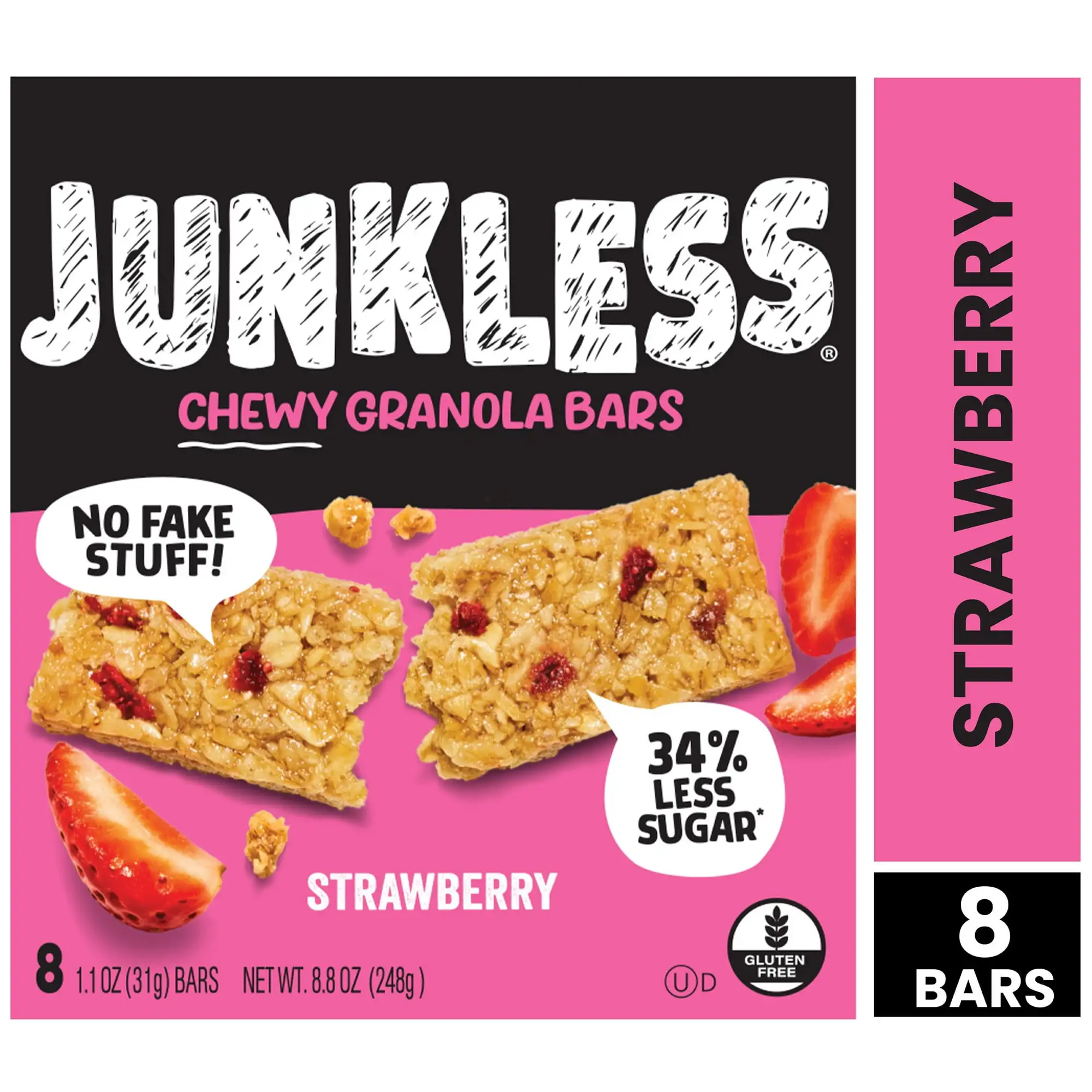
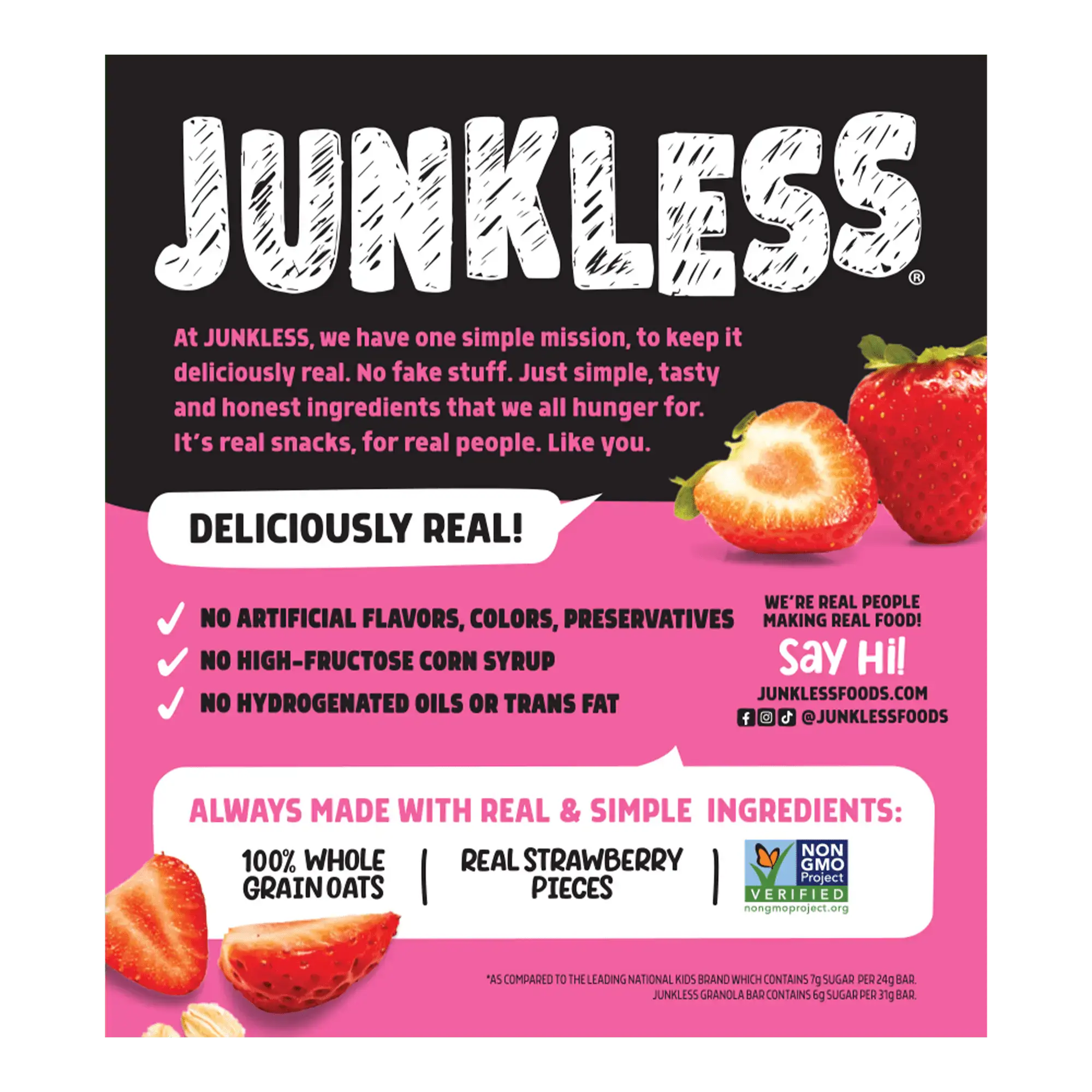
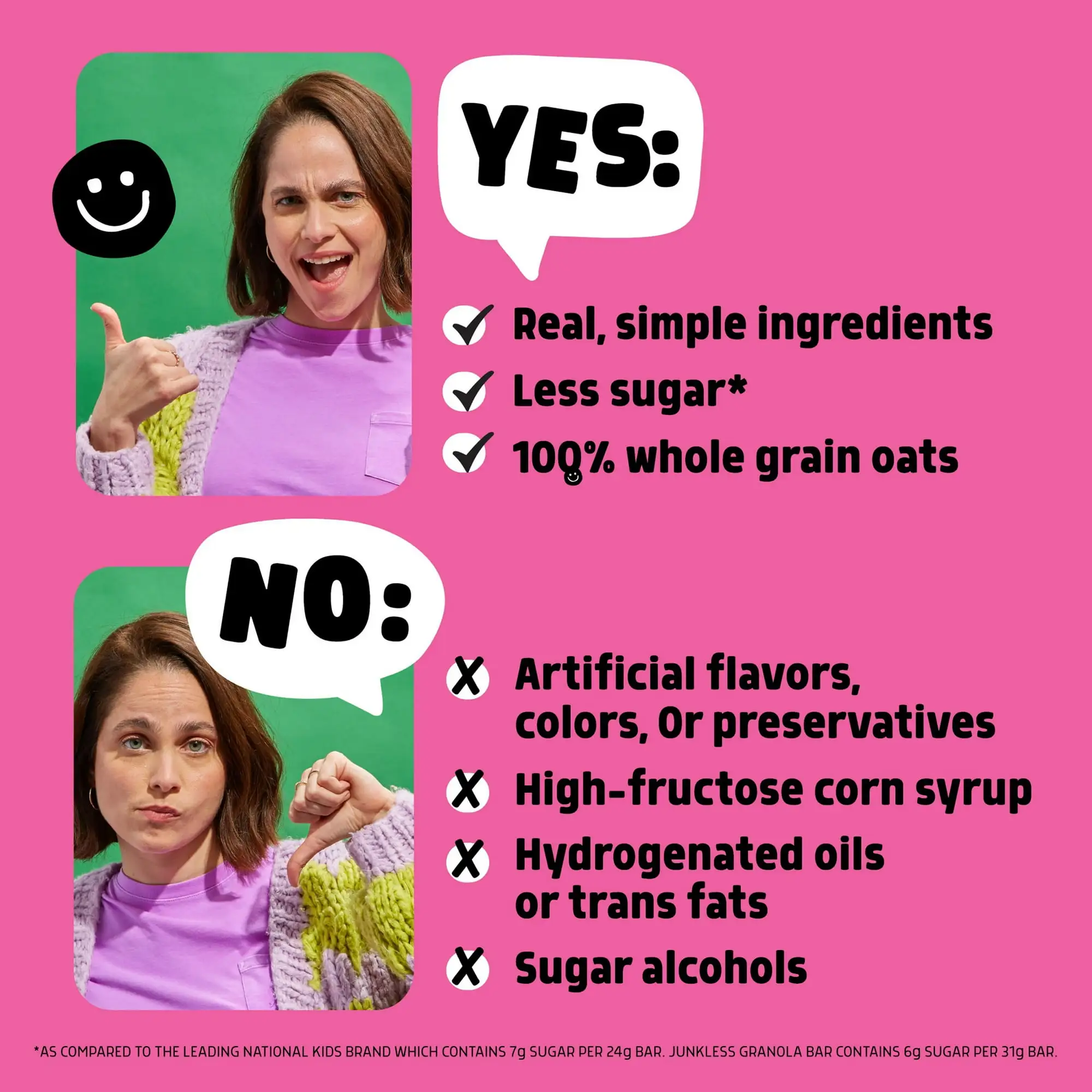
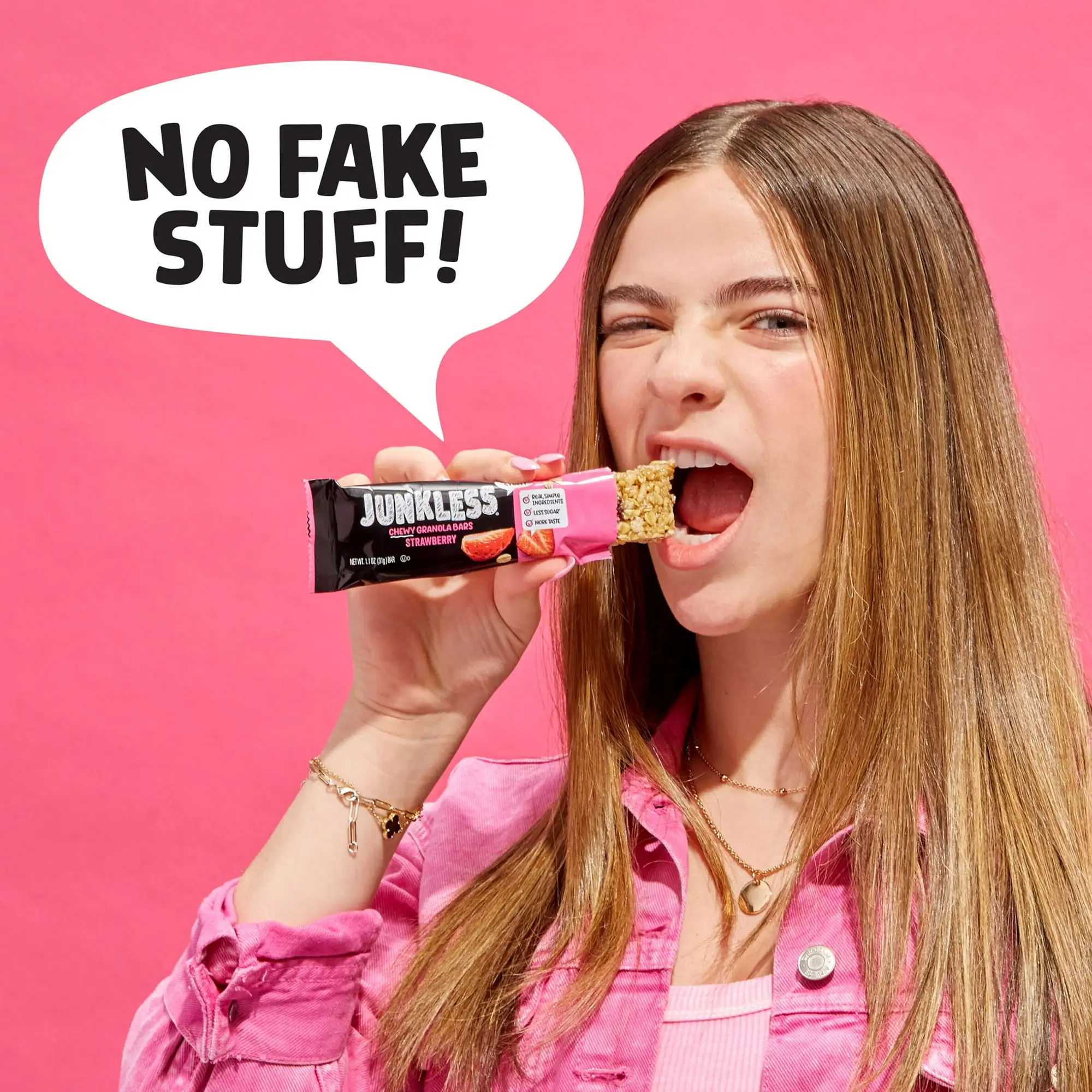
Section 2: Discussion
Q1: Messaging Appeal
We'd like your opinion on our core messaging on our packaging and in our product marketing materials. Tell us which messages make you most want to try the product and why.

Okay, I'm immediately drawn to the ingredient transparency. The 'YES/NO' comparison chart is exactly what I want to see upfront. But I need to dig deeper: what does 'real simple ingredients' actually mean? I want to see the full ingredient list, not just the highlights.

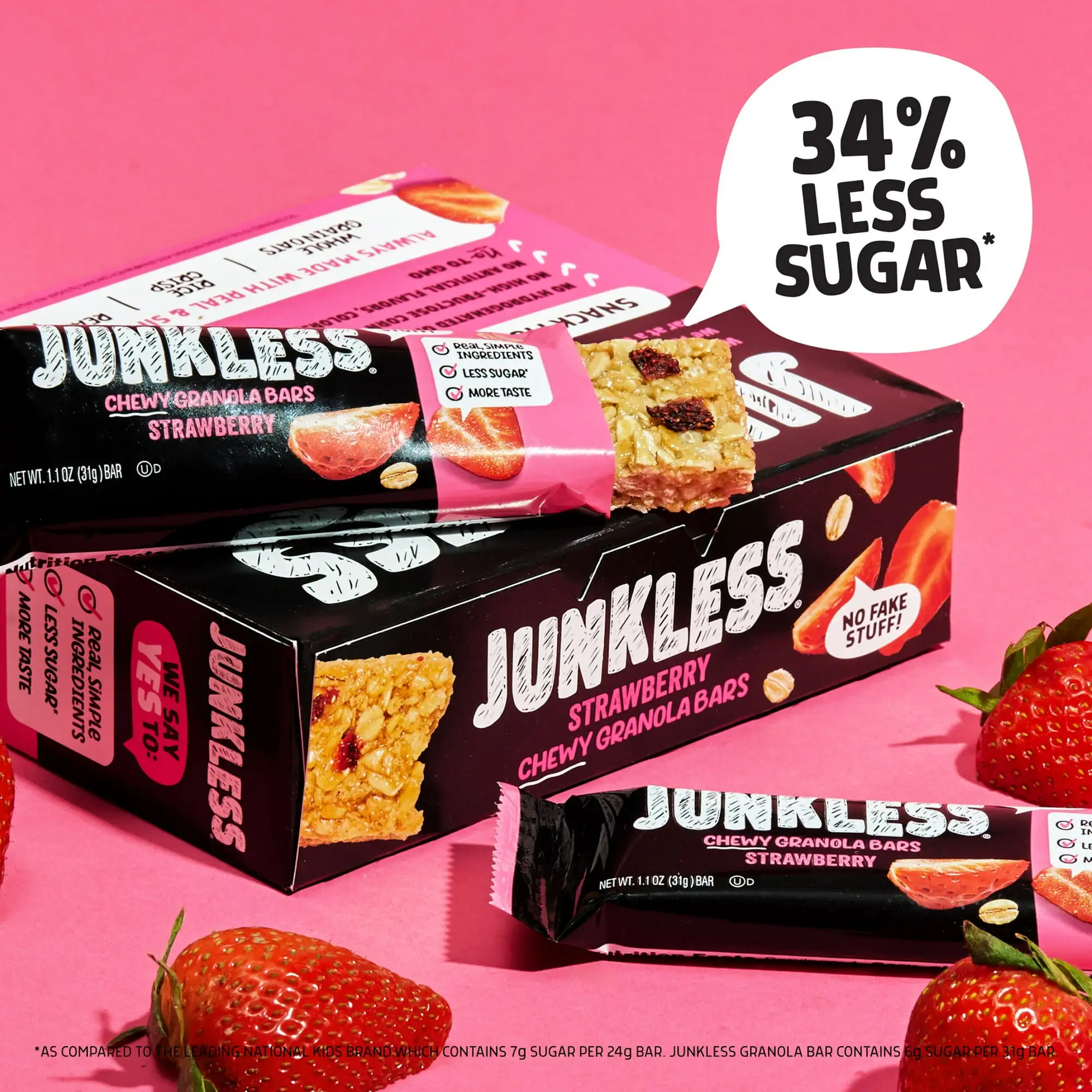
The '34% less sugar' claim caught my attention, but I appreciate that they actually show the math in the fine print, 6g versus 7g per bar. Most brands would just throw out a percentage without context. That builds credibility for me.

I like that they're emphasizing 'real' and 'simple', that resonates with my Ayurvedic approach. But honestly, the bright pink and black packaging feels very... Western and processed? It doesn't give me the natural, earth-connected vibe I usually look for.

The 'NO FAKE STUFF' message is clear and direct, I don't have time to decode marketing speak. But I'm wondering about the protein content and whether this actually supports my recovery needs. The messaging focuses on what's NOT in it, but what IS in it that benefits me?

As a mom, I love that they're comparing to 'leading national kids brand', that tells me this could work for my kids too. The 'real people making real food' message feels authentic, not corporate. But I need to know the price point.

The Non-GMO Project verification is good to see, third-party validation matters. But I'm not seeing any mention of organic certification, protein content, or fiber. For someone tracking macros, this messaging is incomplete.

The aesthetic is so Instagram-ready! I love the bold colors and the woman winking while eating it, it feels fun and confident. The 'deliciously real' tagline would definitely make me want to try it and probably post about it.

I appreciate the straightforward 'no artificial' claims, that's what my doctor told me to look for. But the flashy packaging makes me wonder if it's all marketing. I'd want to see this in a more traditional health food store setting to trust it.

The QR code or website mention is smart, I want to research the company story and full nutritional info. The social media handles suggest they're transparent about their process, which I value. But I'd want to see lab testing results.

Look, the messaging is fine, but what's the price per bar compared to Kirkland's granola bars? All this 'real simple ingredients' talk usually means I'm paying extra for marketing. Show me the value proposition beyond the feel-good messaging.
Q2: Competitive Comparables
What brands or products would we find in your kitchen cupboard, office, car, purse, etc today that would be the closest comparable?
In my kitchen right now I have RXBAR, Kind bars, and some Primal Kitchen collagen bars. In my purse, I always carry a Larabar for emergencies. The JUNKLESS messaging reminds me most of RXBAR's 'No B.S.' approach, they list exactly what's in it right on the front. But RXBAR is more protein-focused.
I've got Epic Provisions meat bars in my gym bag, some Bulletproof collagen bars, and honestly, Kirkland protein bars from Costco in my office drawer. The closest comparison would be Kind bars, similar 'simple ingredients' positioning, but Kind feels more premium and established.
I have Sahale Snacks nut mixes, some 88 Acres seed bars, and homemade energy balls in my fridge. The closest would probably be Health Warrior chia bars, they have that clean, simple ingredient story, but their packaging feels more natural and earthy.
My car has a stash of Clif bars and some Quest bars. Office has protein bars from Thorne. JUNKLESS feels most like Clif's messaging, 'real food for real athletes', but Clif has that outdoorsy, performance credibility that this doesn't quite have yet.
My purse is full of Annie's fruit snacks for the kids, some Kashi bars, and usually a few Nature Valley bars. The family-friendly angle reminds me most of Annie's, that 'real ingredients, made by real parents' vibe. But Annie's has been around forever, so I trust them.
I've got Designs for Health protein bars, some Bulletproof bars, and backup Kirkland bars. The transparency approach is similar to Bulletproof's 'clean' positioning, but Bulletproof has Dave Asprey's biohacker credibility behind it.
Oh my god, my kitchen is like a health bar museum! I have Sakara granola, some Golde bars, Health-Ade kombucha bars, and whatever new thing I saw on Instagram. This reminds me most of Golde, that bold, millennial-friendly branding with the clean ingredient story.
I keep it simple: Quaker granola bars, some Nutri-Grain bars, maybe Kellogg's Special K bars. This JUNKLESS thing feels most like when Special K started doing their 'wholesome' messaging, but honestly, I trust the brands I've been buying for years.
My office snack drawer has Care/of bars, some Ritual protein bars, and backup Kind bars. My car has emergency Larabars. The personalized, transparent approach reminds me most of Care/of's messaging, very direct about ingredients and benefits.
Costco Kirkland bars, some Nature Valley from the grocery store, and my wife buys Kashi sometimes. Look, this feels like Kind bar positioning but without Kind's track record. Kind proved they could deliver on 'simple ingredients' at scale, this brand hasn't yet.
Section 3: Synthesis
Key Messaging Insights
What resonated most, and what's missing, from the packaging and marketing messaging evaluation
• Ingredient transparency: Maya, Marcus, and Robert valued the YES/NO comparison chart as a trust signal • Quantified claims: David appreciated the specific sugar comparison (6g vs 7g) with math shown • Family-friendly positioning: Sarah responded to the kids brand comparison as a dual-use signal • Third-party verification: Marcus noted Non-GMO Project certification as credibility anchor
• Missing nutritional details: protein and fiber content absent for performance-focused users (Jake, Marcus) • Price/value proposition unclear: Kevin's primary concern, echoed by budget-conscious segment • Incomplete ingredient story: Maya wants full ingredient list, not just curated highlights • Limited functional benefits: messaging focuses on 'clean' positioning without specific health outcomes
• Polarizing aesthetic: Emma loves the bold, social-ready design; Priya finds it too processed-looking • Authenticity questions: Robert wants more traditional health positioning; Lisa wants company transparency • Strongest resonance with transparency-seeking and family-focused segments • May need stronger functional benefits and value positioning to convert skeptical buyers
Competitive Landscape
How the panel positions Junkless relative to their existing brand repertoire and closest competitive alternatives
Primary comparisons ranked by mention frequency across the panel
• Family positioning vs. Kind's individual, adult-focused market • Softer texture vs. Kind's sometimes-hard bars (Maya noted this edge) • Value pricing vs. premium positioning of Kind/RXBAR ($1.00 vs $1.50+) • Fresh, bold branding vs. established but potentially stale competitors (Emma: "Kind feels very 2015")
• Established players (Kind, Clif) have years of consistency, new entrants face credibility gap • Track record matters more than messaging for skeptical buyers (Robert, Kevin) • Availability and price parity needed to compete with Costco/store brands • Panel sees JUNKLESS positioned most directly against Kind bars
Strategic Recommendations
Three actionable directions emerging from the panel discussion, ranked by strategic leverage and feasibility
- • The sugar comparison (6g vs 7g) was the single most credibility-building element.
- • Extend this approach to protein, fiber, and ingredient counts.
- • David, Marcus, and Maya all gravitated toward verifiable, specific claims over vague 'clean' positioning.
- • Kind doesn't market to families. Sarah identified this gap immediately.
- • Position JUNKLESS as the bar parents feel good giving their kids AND eating themselves.
- • The 'leading national kids brand' comparison was the strongest family-segment trigger.
- • Kevin represents a significant segment: willing to try, unwilling to overpay.
- • A competitive price point ($1.00–$1.25/bar) or clear functional benefit that Kirkland/Nature Valley can't match would convert this group.
- • 'No fake stuff' alone isn't enough, everyone claims that now.
Junkless has a credible foundation in ingredient transparency and a natural opening in the family snacking space that Kind doesn't own. The panel validates the "no fake stuff" positioning but demands more: quantified nutritional proof, competitive pricing, and functional benefits beyond clean labels.
The brand's strongest asset is its specificity (the sugar math, the YES/NO chart). Its biggest risk is becoming another "clean" bar in a market where clean is table stakes. Differentiate on family, value, and verifiable nutrition, or compete on aesthetics alone against brands with deeper pockets.
Want a focus group report for your brand?
Run a Gutsy study against AI-lookalike audiences calibrated to your category. Same depth, your own products, results in minutes.
Methodology & Caveats
Study design. AI-moderated focus group with 10 synthetic panelists calibrated to the Wellness Warriors persona cluster. Two structured discussion questions with open-ended follow-up probes. Five product images used as stimulus material for the messaging evaluation question.
Panel basis. Wellness Warriors represent health-conscious consumers aged 28–50 with upper-middle income ($75K–$200K+), spanning three wellness motivation archetypes: preventive health, performance optimization, and recovery/healing. The panel was balanced across research intensity levels (deep, moderate, intuitive) and reflects the demographic composition of the premium wellness consumer segment.
What the study covers. Qualitative response to Junkless Bars packaging messaging and visual identity. Competitive positioning relative to existing bar brands. Family vs. individual snacking dynamics. Value perception and premium pricing barriers.
What the study does not cover. Quantitative purchase intent scoring. In-use product evaluation (taste, texture, satiety). Retail shelf simulation or planogram testing. Price elasticity modeling. Geographic or demographic segmentation beyond the panel composition.
Report generated 2026-05-23 · Source: Gutsy Pi focus group study · Panel: Wellness Warriors (10 participants) · Prepared for Neil Johnson · Junkless Bars confidential