

SimplyProtein: Audience Fit & Channel Opportunity
May 2026 · US (Amazon & Walmart) · Audience-fit recommendation across the SimplyProtein protein-bar line
Gutsy AI persona simulation scored all 11 SimplyProtein SKUs the way each of 10 consumer personas would perceive them, across 8 perception layers built from 92 subfactors. The field is ranked by an Audience Fit Index, benchmarked against 267 category protein bars.
Which consumer audiences hold the biggest market opportunity for the SimplyProtein protein-bar line, and where the online and offline channel openings sit.
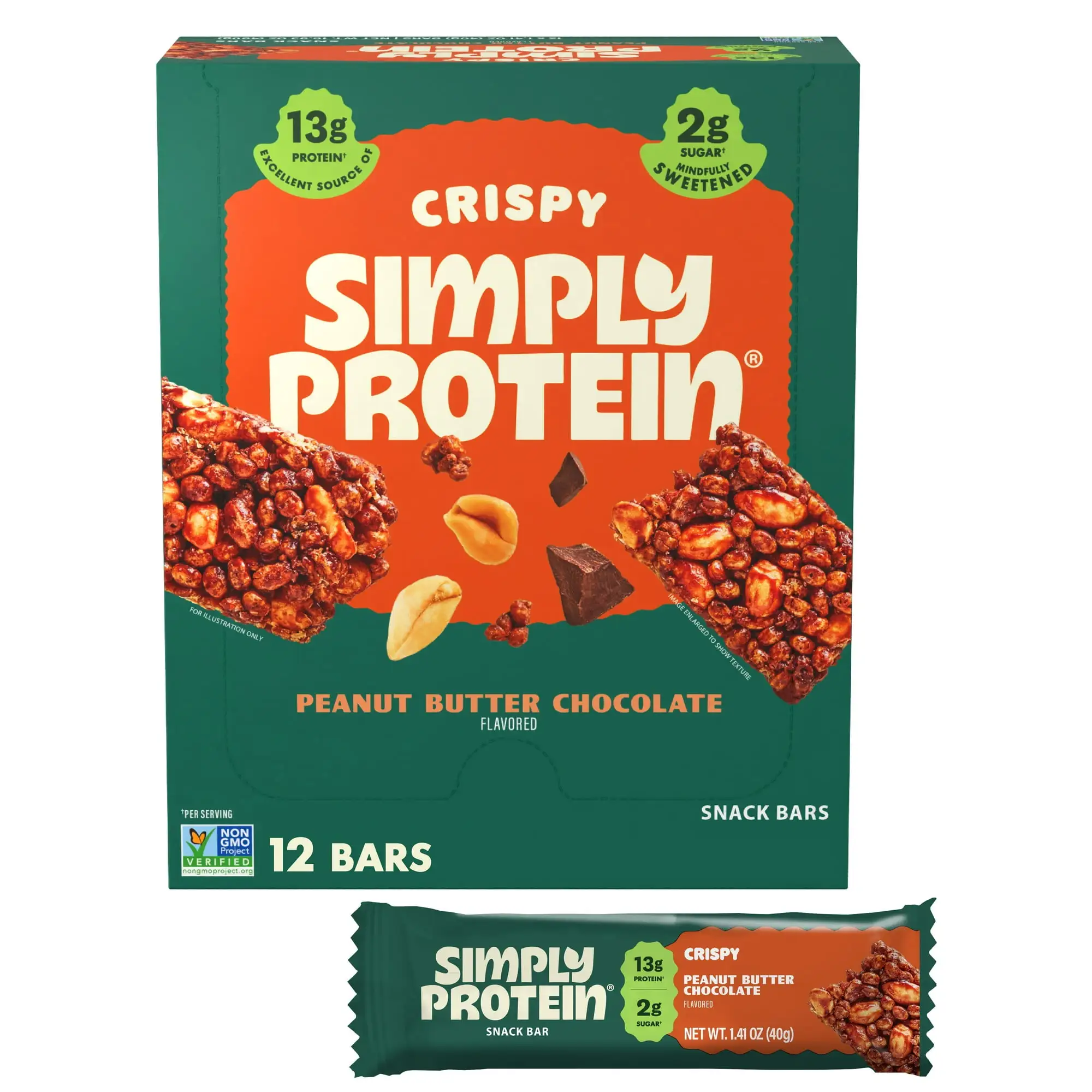
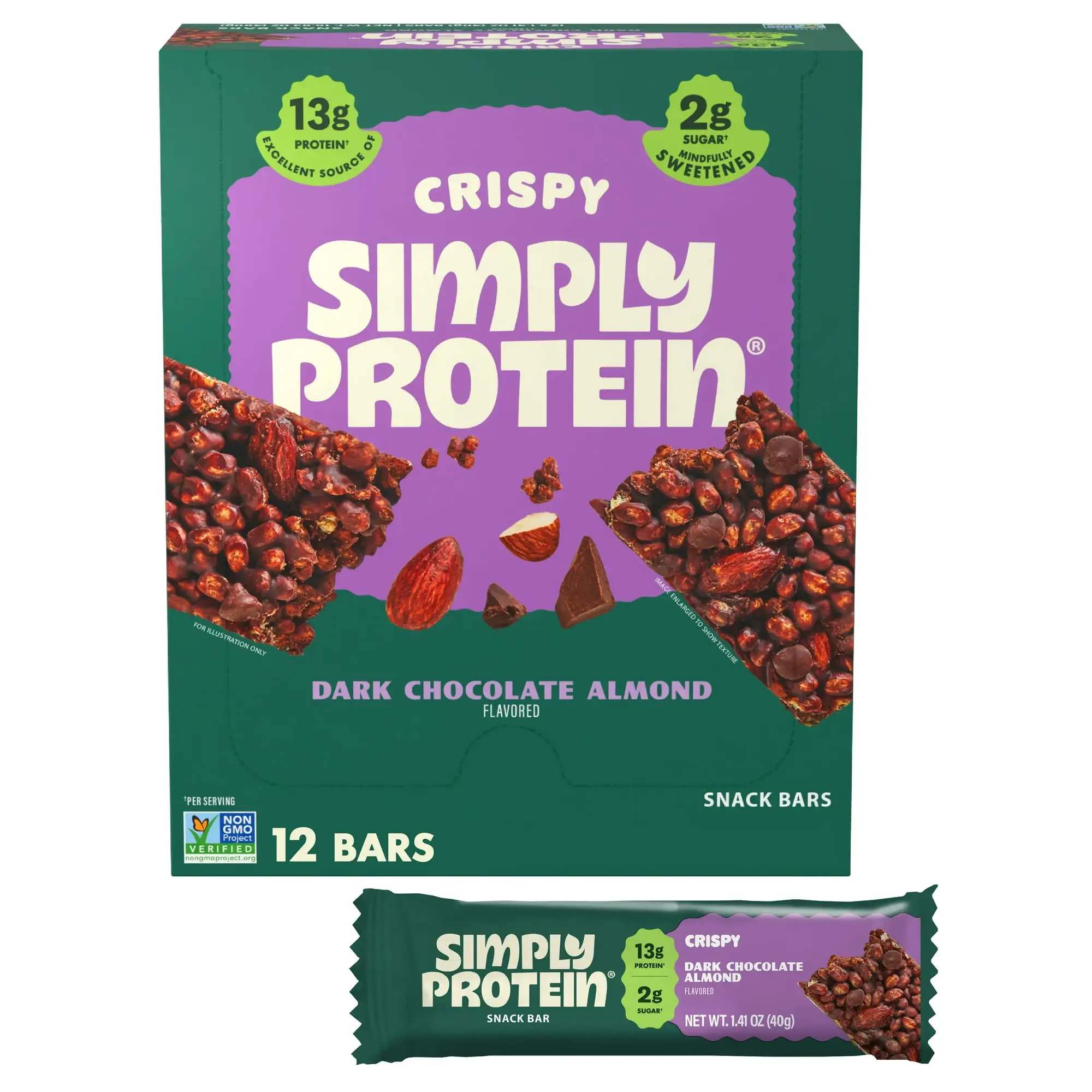
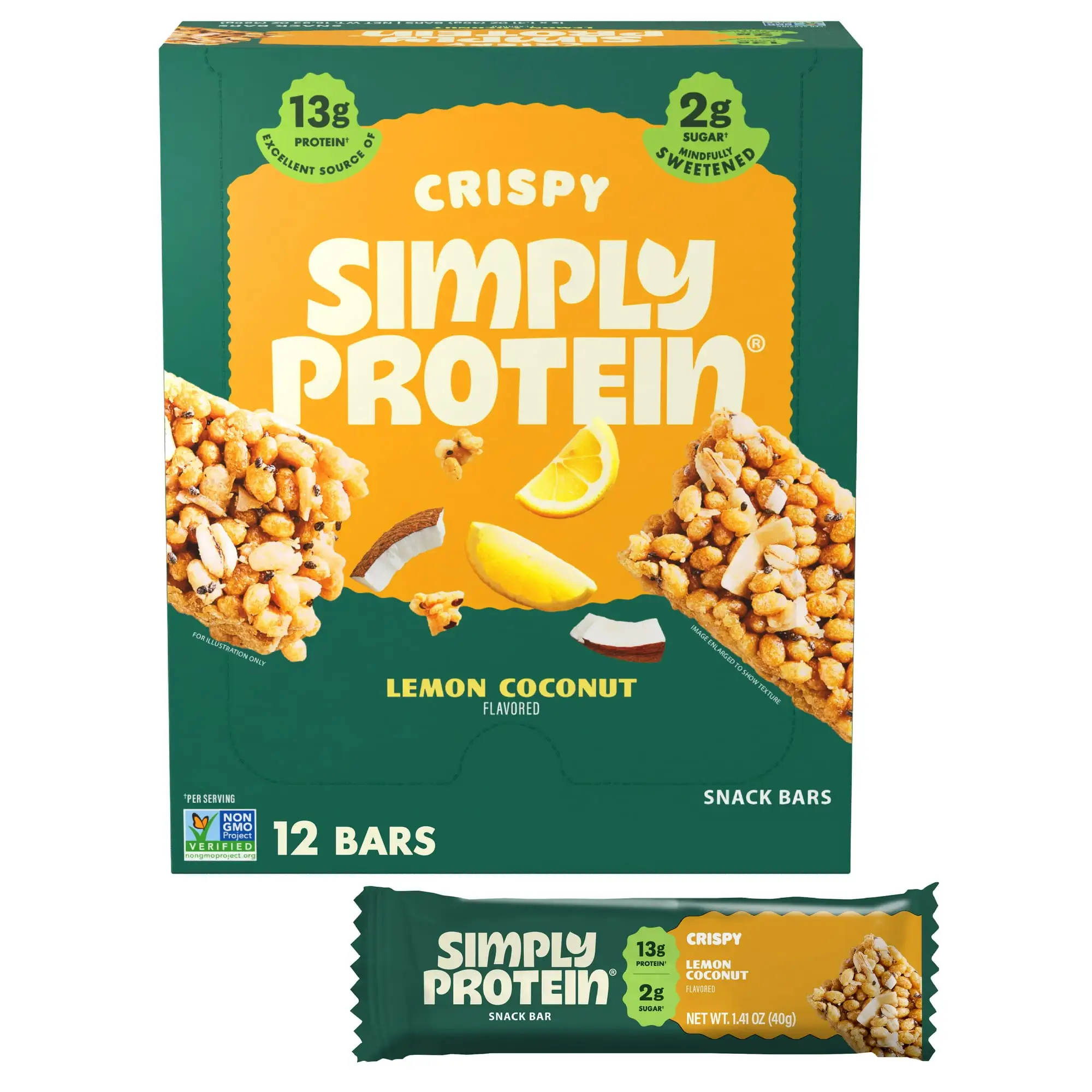
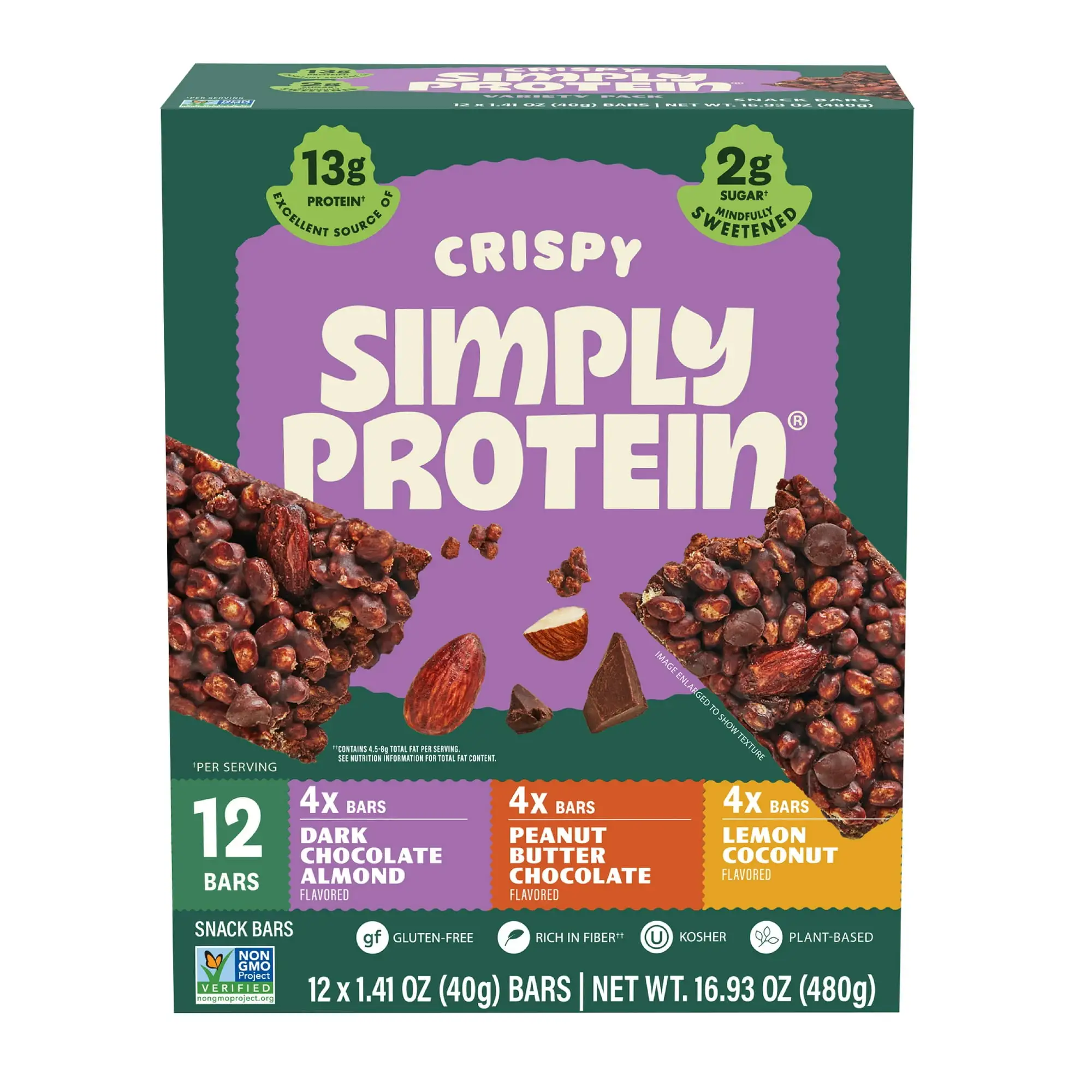
Audience-fit study · 11 SKUs · 10 personas · 8 perception layers · 92 subfactors · 267-bar category benchmark
Section 1: The Audience Fit Verdict
The Recommendation
The one-line strategic direction from 10 persona simulations across 11 SimplyProtein SKUs, benchmarked against 267 category protein bars.
SimplyProtein’s biggest opportunity is the mainstream household snacker: couples and families who buy protein bars habitually, value convenience and taste over ingredient purity, and shop multi-channel (Amazon Subscribe & Save, Walmart in-store, Costco). The brand’s clean-label positioning and approachable packaging already resonate with this group; the gap is emotional excitement and competitive shelf differentiation in a 267-bar field where ALOHA, RXBAR, and KIND own the visual conversation.
Commuter Belt Couples (AFI 6.81) and Cul-de-Sac Comfort (AFI 6.69) represent the highest-fit audiences. Both score above 7.5 on Visual Attention, Cognitive Clarity, and Experience Fit, meaning the packaging is already doing its job on shelf recognition and comprehension. The unlock is Emotional Resonance (6.5–6.8 range) and Behavioral Conversion (6.2–6.4), which trail the top competitors by ~1.5 points.
Amazon is the primary growth channel for Priority audiences, both Commuter Belt Couples and Cul-de-Sac Comfort over-index on Subscribe & Save habitual purchasing. Walmart in-store is the secondary play, but only after the Emotional Resonance gap is closed: these shoppers need in-aisle conviction that the Develop tier (Wellness Warriors, Gen Alpha Parents) already partially provides through certification-stack trust.
How Audience Fit Is Scored
The Audience Fit Index (AFI) measures how well a product's packaging resonates with a specific consumer persona across 8 perception layers.
- •Brand under analysisSimplyProtein: 11 SKUs across protein bars, snack bars, and dipped bars. Each SKU scored independently across all 10 personas.
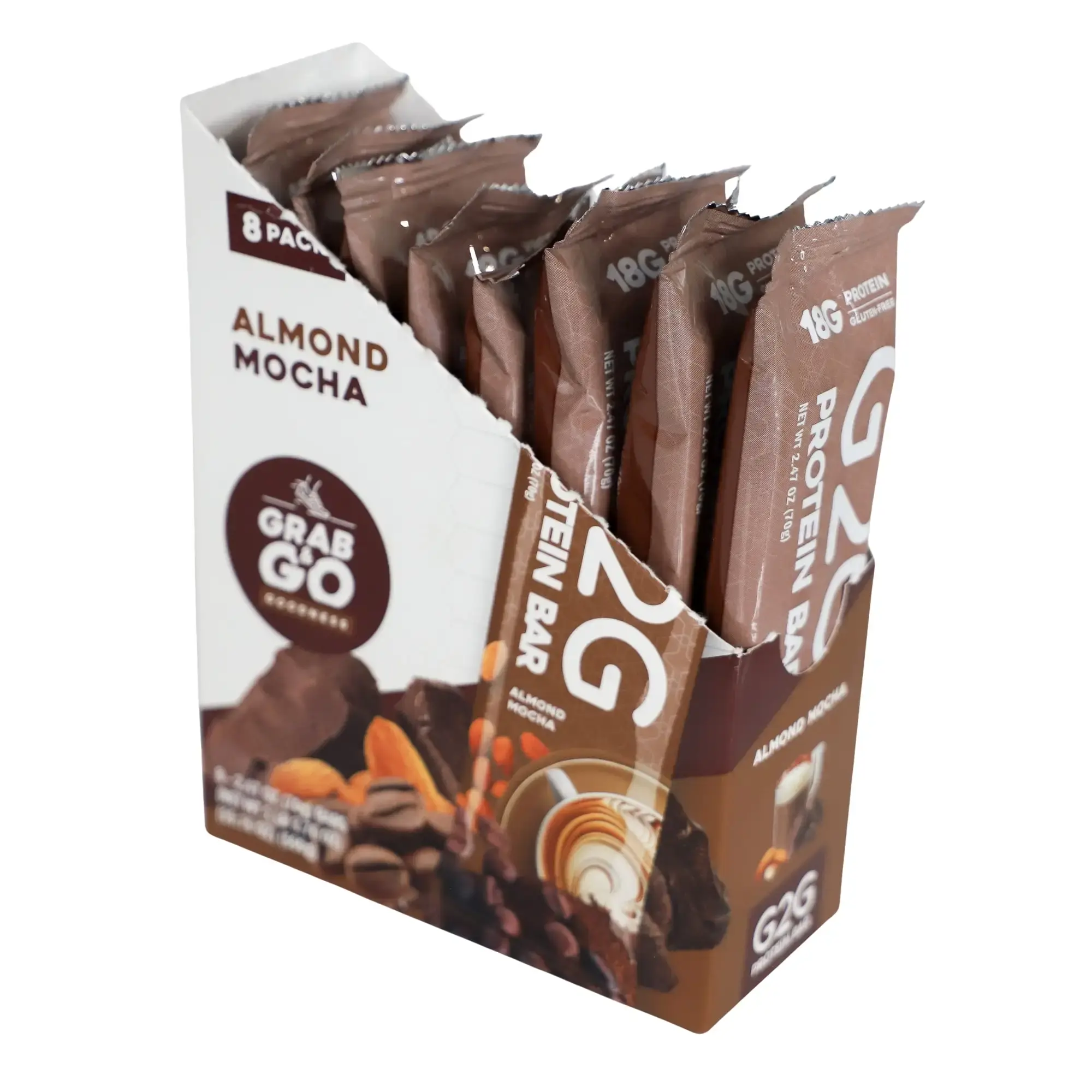
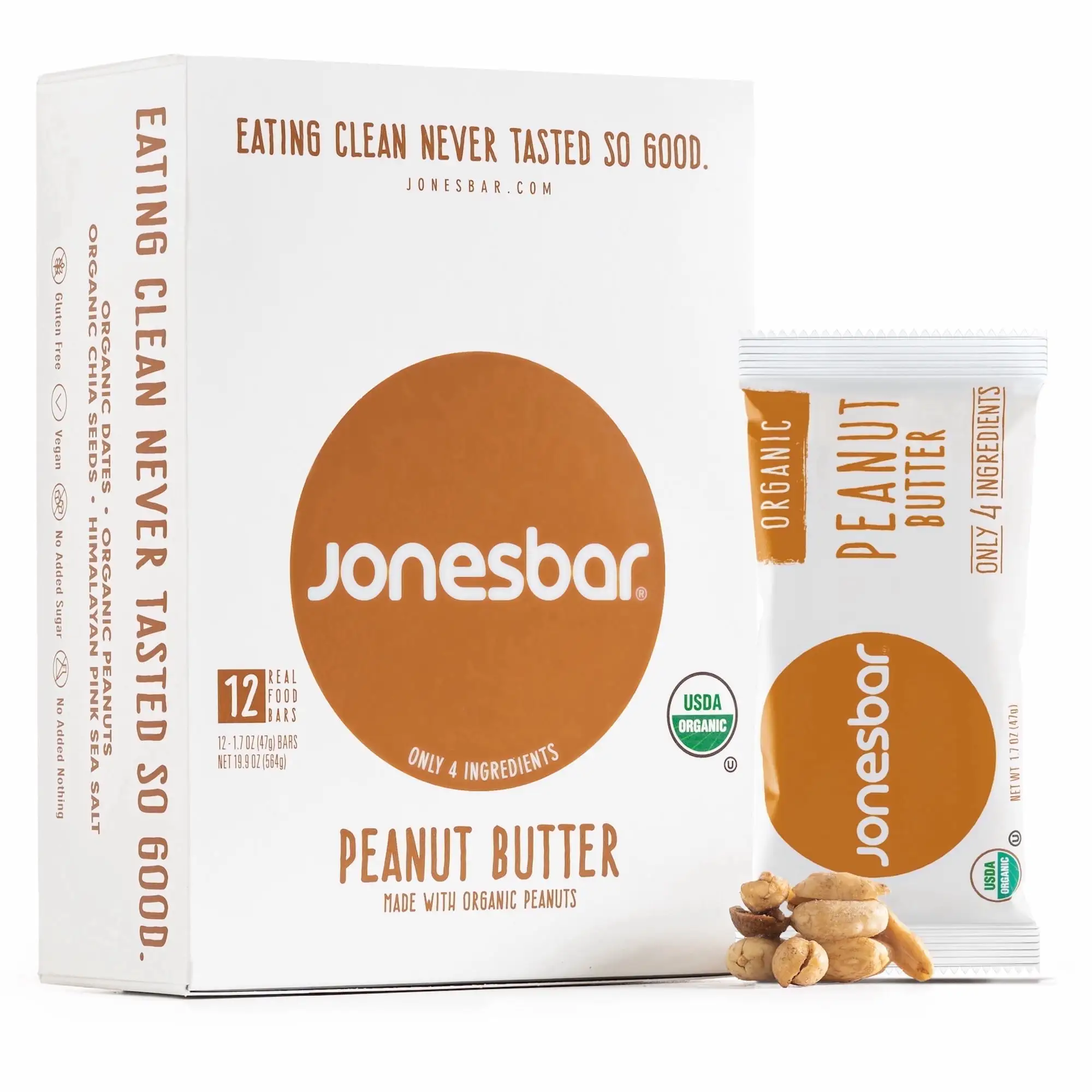
- •Category benchmark267 protein bars from 48 brands, spanning mass-market (Clif, KIND), premium (RXBAR, ALOHA), and emerging (TRUBAR, G2G, Jonesbar).
- •Marketplace baseUS market, Amazon + Walmart channels. Persona calibration reflects US shopper demographics and channel behaviors.
- •Personas10 AI-simulated consumer personas, each defined by demographics, psychographics, shopping behaviors, and category relationship. Personas are not segments: they are decision-simulation agents.
AFI weighting: The Audience Fit Index is the equally-weighted mean of all 8 perception layers. Each layer is itself composed of 8–16 subfactors (92 total), weighted by their empirical leverage on purchase conversion within each persona type. This means the AFI captures both universal product-market signals and persona-specific decision patterns.
Scores are absolute, not relative. A 6.0 AFI means the product achieves 60% of the theoretical maximum resonance with that persona, it does not mean the product ranks at the 60th percentile of the category. Category rank is shown separately in the leaderboard.
The audience fit leaderboard
All 10 personas ranked by Audience Fit Index. Bar width is proportional to score. Tier assignment: Prioritize (top 3), Develop (middle 4), Deprioritize (bottom 3).
Prioritize (AFI ≥ 6.40): Audiences where the product already has strong resonance. Focus media spend and creative optimization here. Develop (AFI 5.70–6.39): Audiences with partial fit, specific perception gaps can be closed with targeted messaging or packaging variants. Deprioritize (AFI < 5.70): Low-fit audiences where the cost of conversion exceeds the opportunity. Redirect budget to higher-fit segments.
The full 8-layer matrix
Every persona × every perception layer. Color scale: green (high resonance) through amber to red (low resonance). The AFI column is the equally-weighted mean.
Audience fit is decided primarily by Emotional Resonance and Behavioral Conversion, the two layers with the widest spread across personas. Visual Attention and Cognitive Clarity are uniformly strong (7.3–8.2 range), meaning the packaging works at a functional level for nearly all audiences. The divergence happens in the emotional and behavioral layers: Priority personas score 6.2–6.8 where Deprioritize personas score 3.2–4.9. This is the lever.
Section 2: Audience Deep Dives and Custom Segments
Priority tier: the deep dive
Three audiences scored AFI ≥ 6.40, the threshold for Priority status. Each gets a full breakdown: 8-layer scores with rationale, best-fit SKUs, competitive position, and strategic read.
Commuter Belt Couples
PrioritizeAFI 6.81Rank 1 of 10 · Highest audience fit
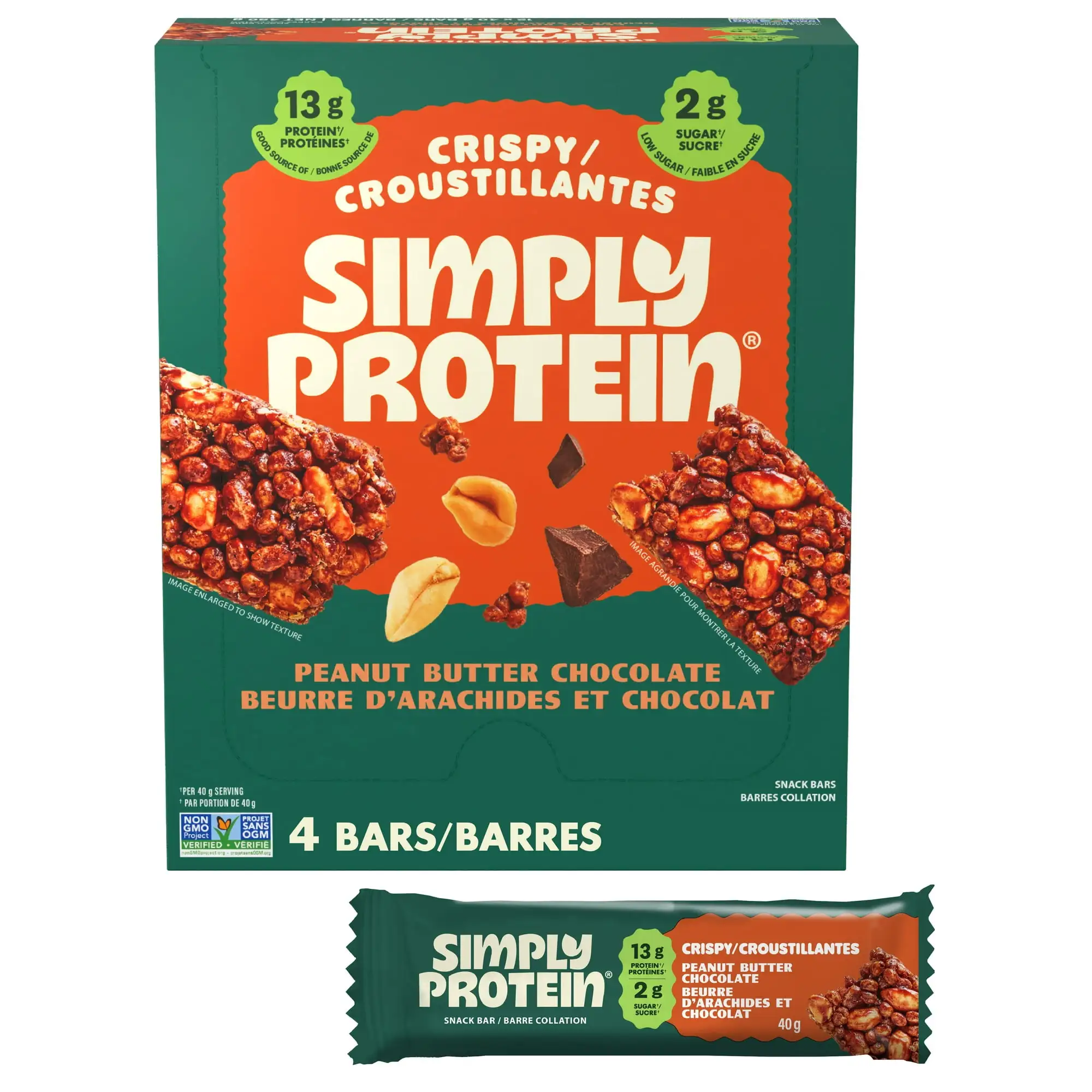
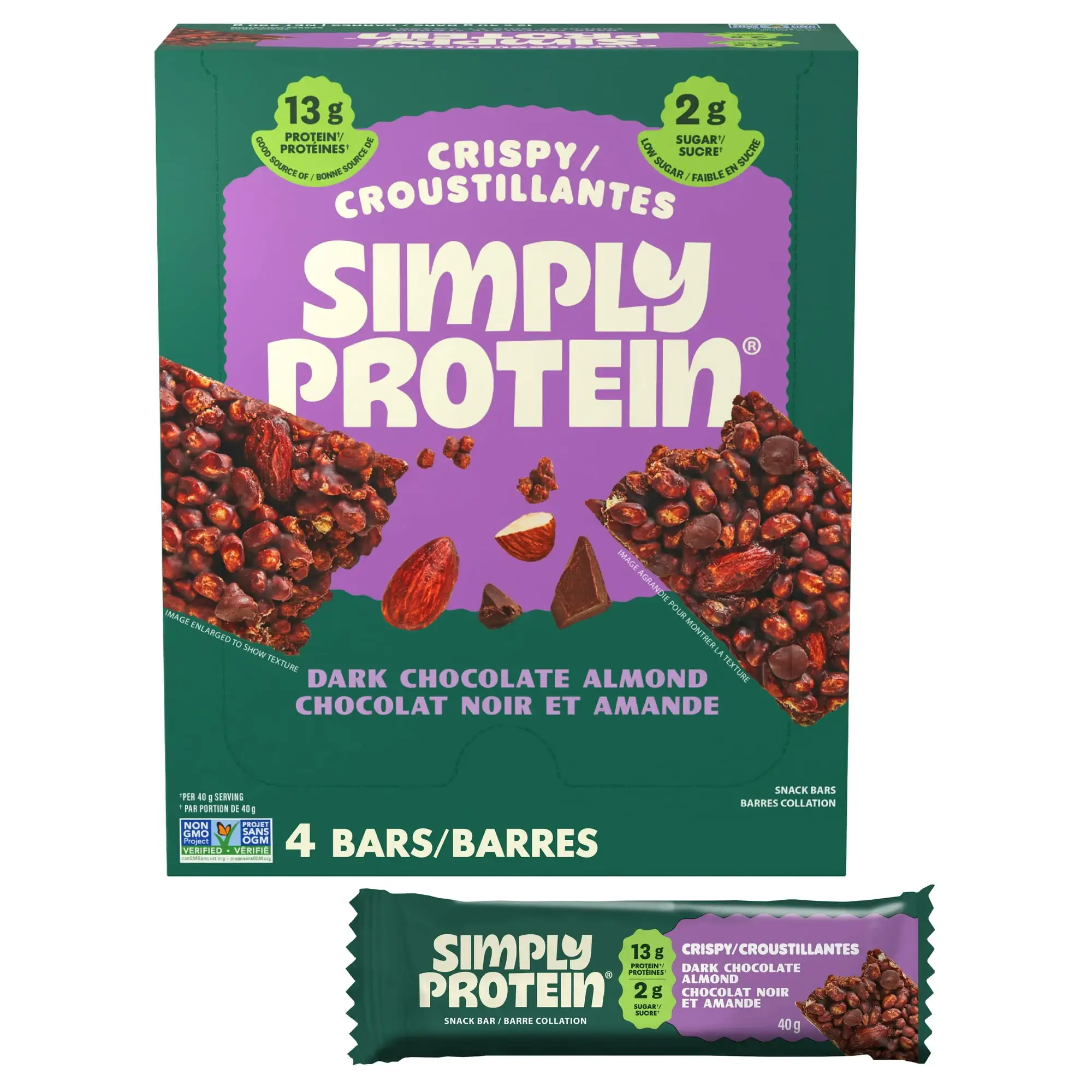
Best-fit SKUs: Dark Chocolate Almond 12-pack (7.53) · PB Chocolate 12-pack (7.53) · PB Chocolate snack bars (7.48)
The single best-fit audience for SimplyProtein. Commuter Belt Couples are dual-income suburban households (ages 30–45) who buy protein bars as weekday meal replacements and commute snacks. They shop Amazon Subscribe & Save for pantry staples and pick up impulse bars at Walmart and Target. Brand loyalty is moderate, they rotate 2–3 brands and will trial new options that clear the 'looks healthy, tastes good, reasonable $/bar' threshold. SimplyProtein's clean-label positioning and multipacks map directly to this shopper's purchase logic.
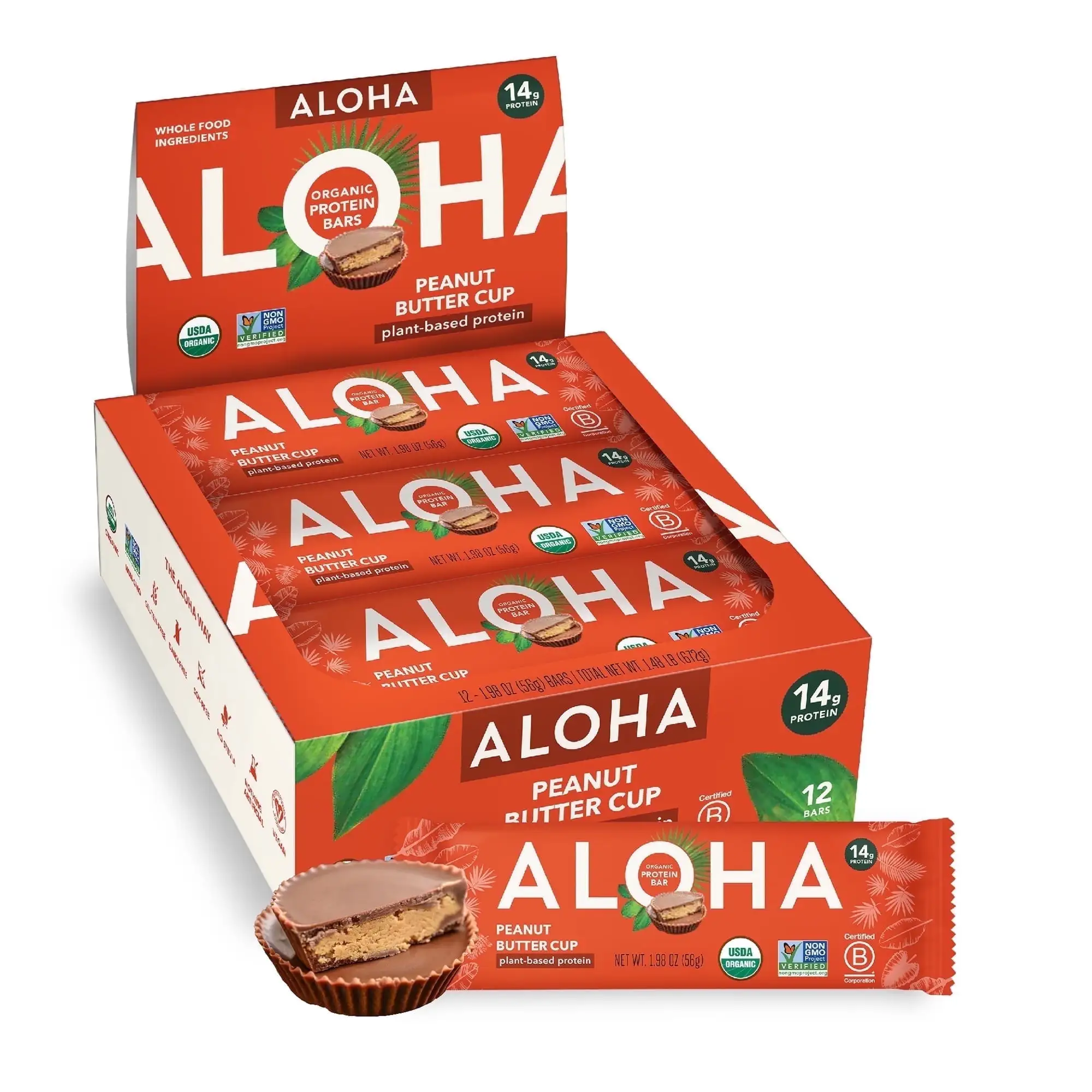
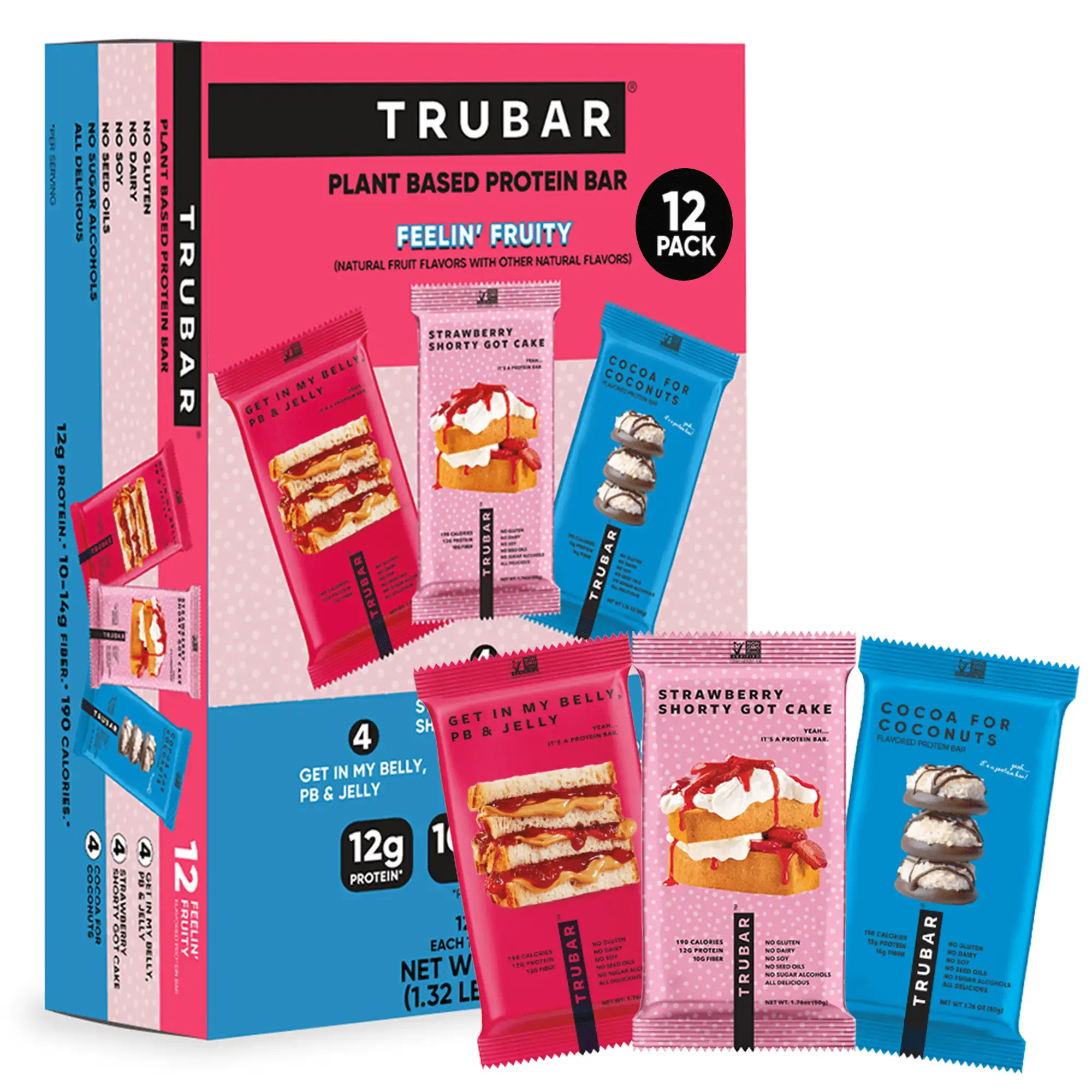
SimplyProtein trails the top 3 competitors by 1.0–1.2 points on this persona. The gap is almost entirely in Emotional Resonance (ALOHA scores 8.4 vs. SimplyProtein's 6.75) and Behavioral Conversion (TRUBAR scores 8.1 vs. 6.22). Visual and Cognitive scores are competitive. The path to closing this gap is emotional packaging storytelling, not functional claim stacking.
Cul-de-Sac Comfort
PrioritizeAFI 6.69Rank 2 of 10 · Strong household fit
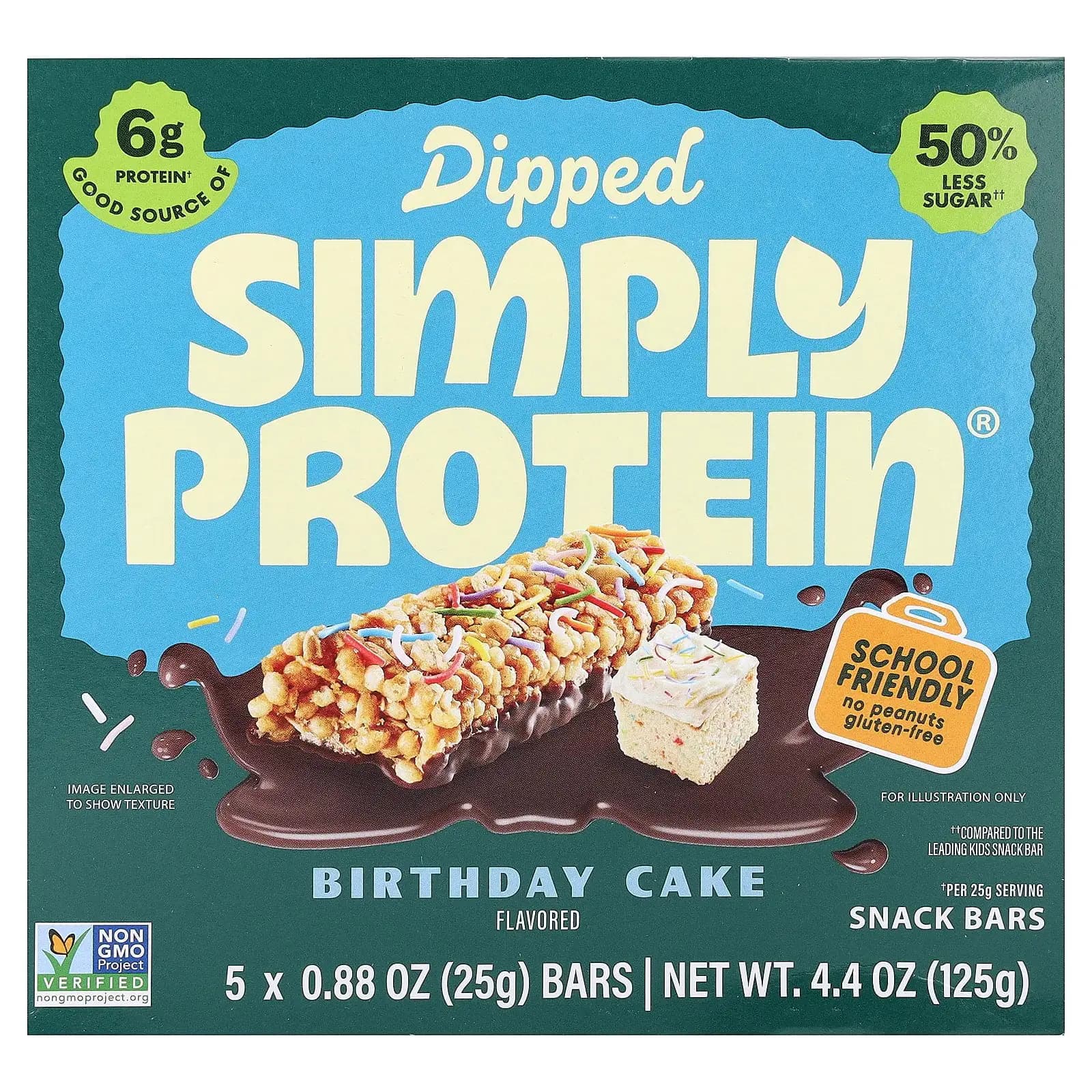
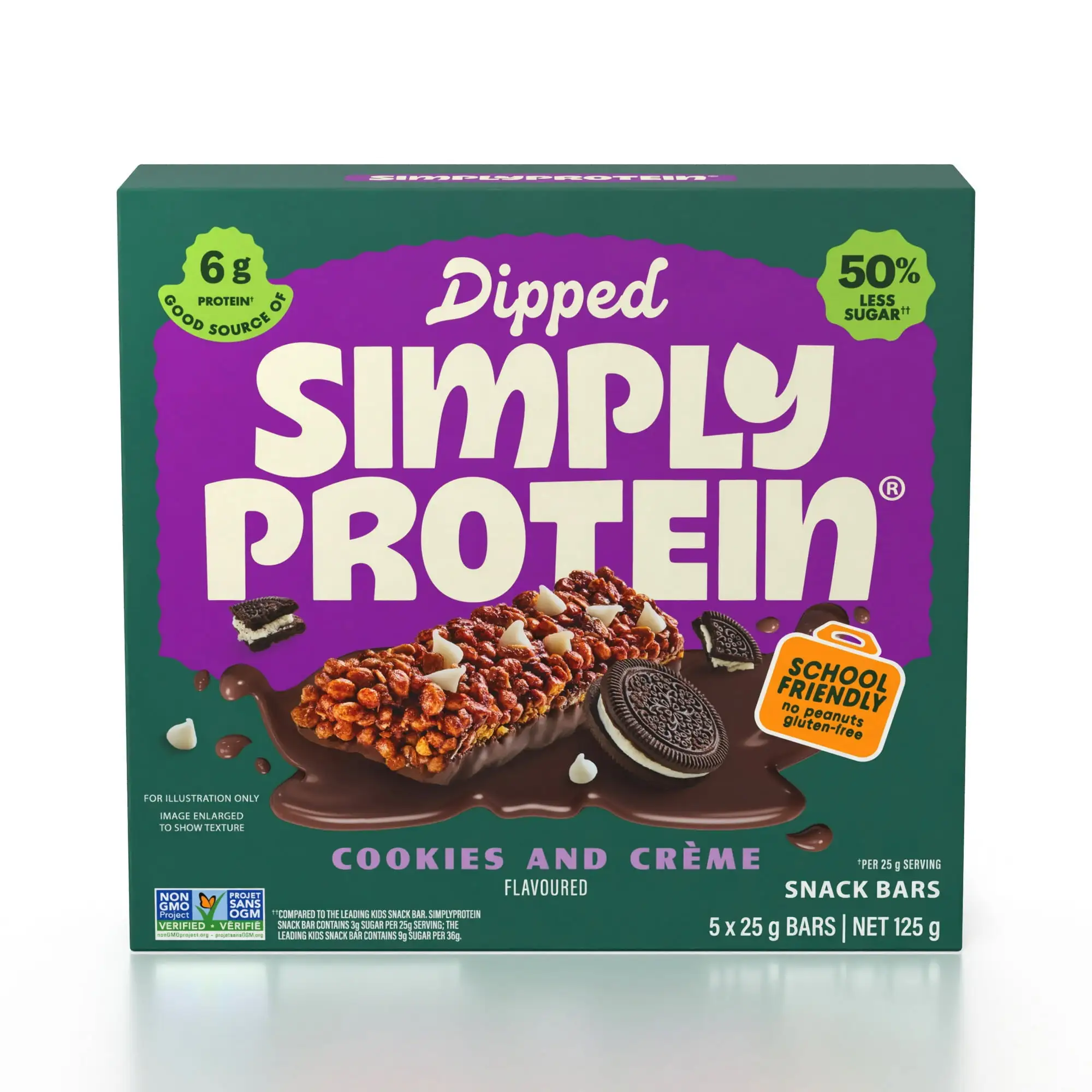
Best-fit SKUs: PB Chocolate 12-pack (7.58) · Dipped Cookies & Crème snack bar (7.47) · Dipped Birthday Cake bars (7.36)
Suburban family households (ages 35–50) with kids at home. Protein bars serve as lunchbox fillers, after-school snacks, and pantry staples. This persona prioritizes taste and kid-acceptance over nutritional optimization, they want 'healthy enough' with flavors kids will actually eat. Shopping is split between weekly Walmart/Target runs and Amazon bulk orders. Brand switching is high; promotional pricing and variety packs drive trial. SimplyProtein's Dipped line maps directly to this persona's 'treat that's not junk' purchasing logic.
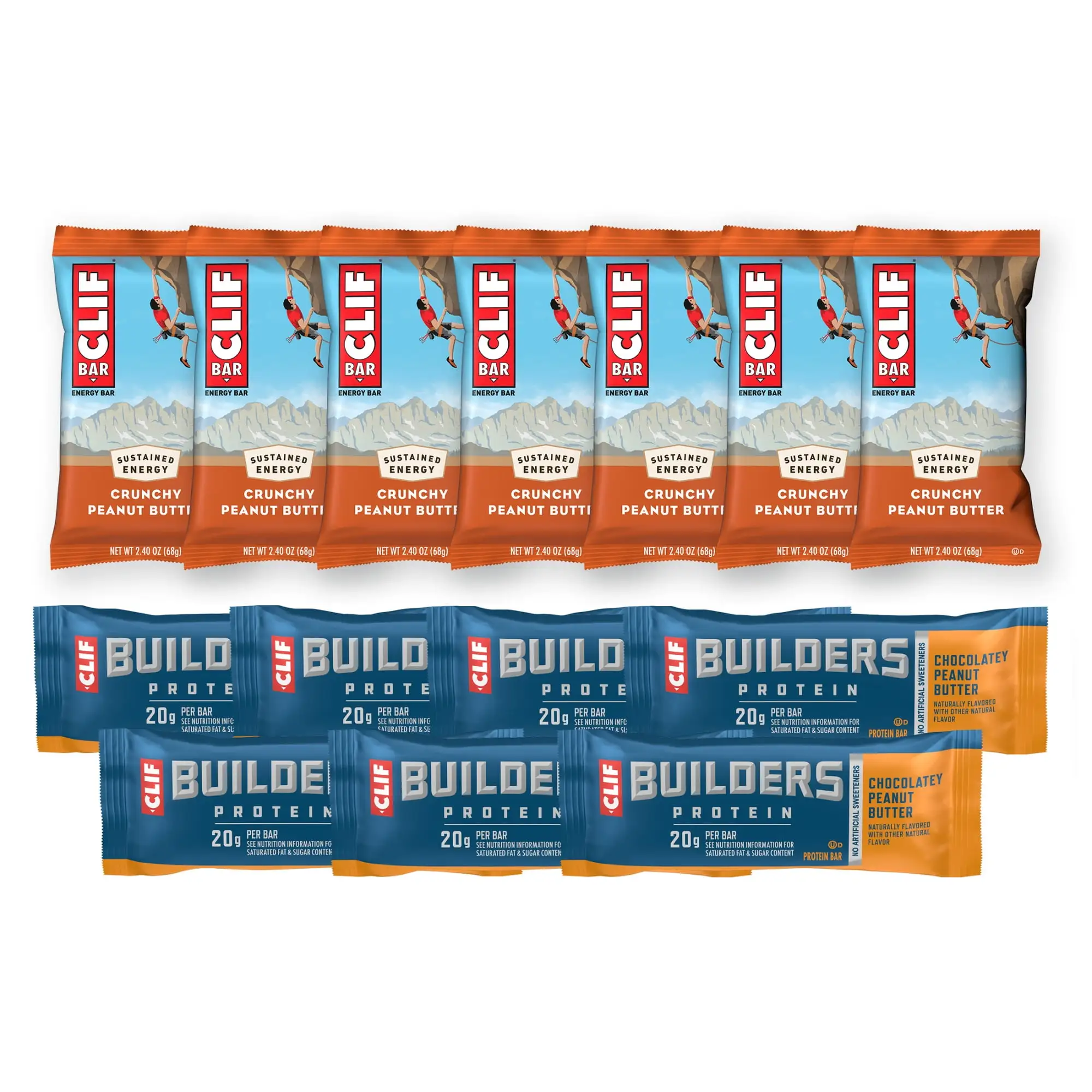
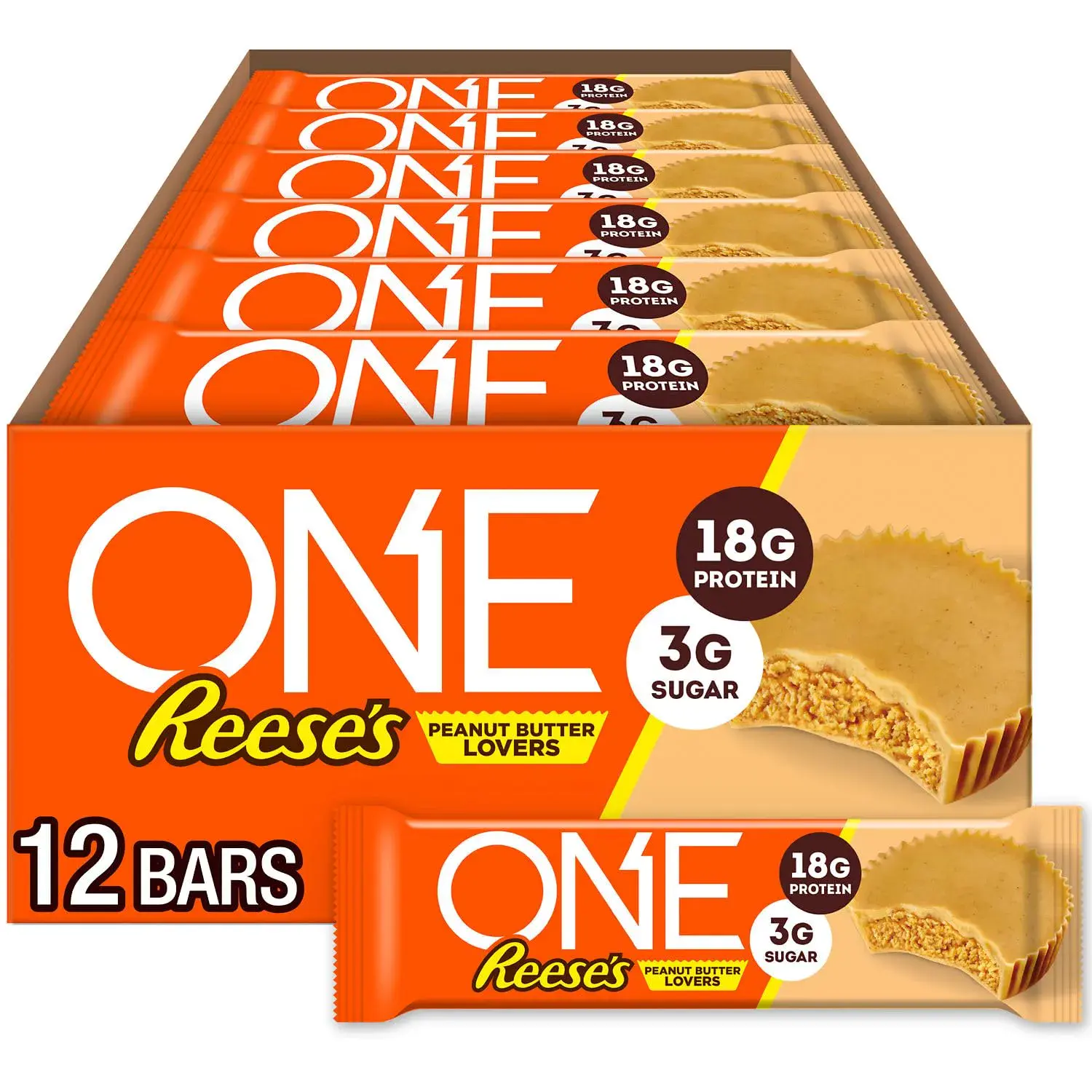
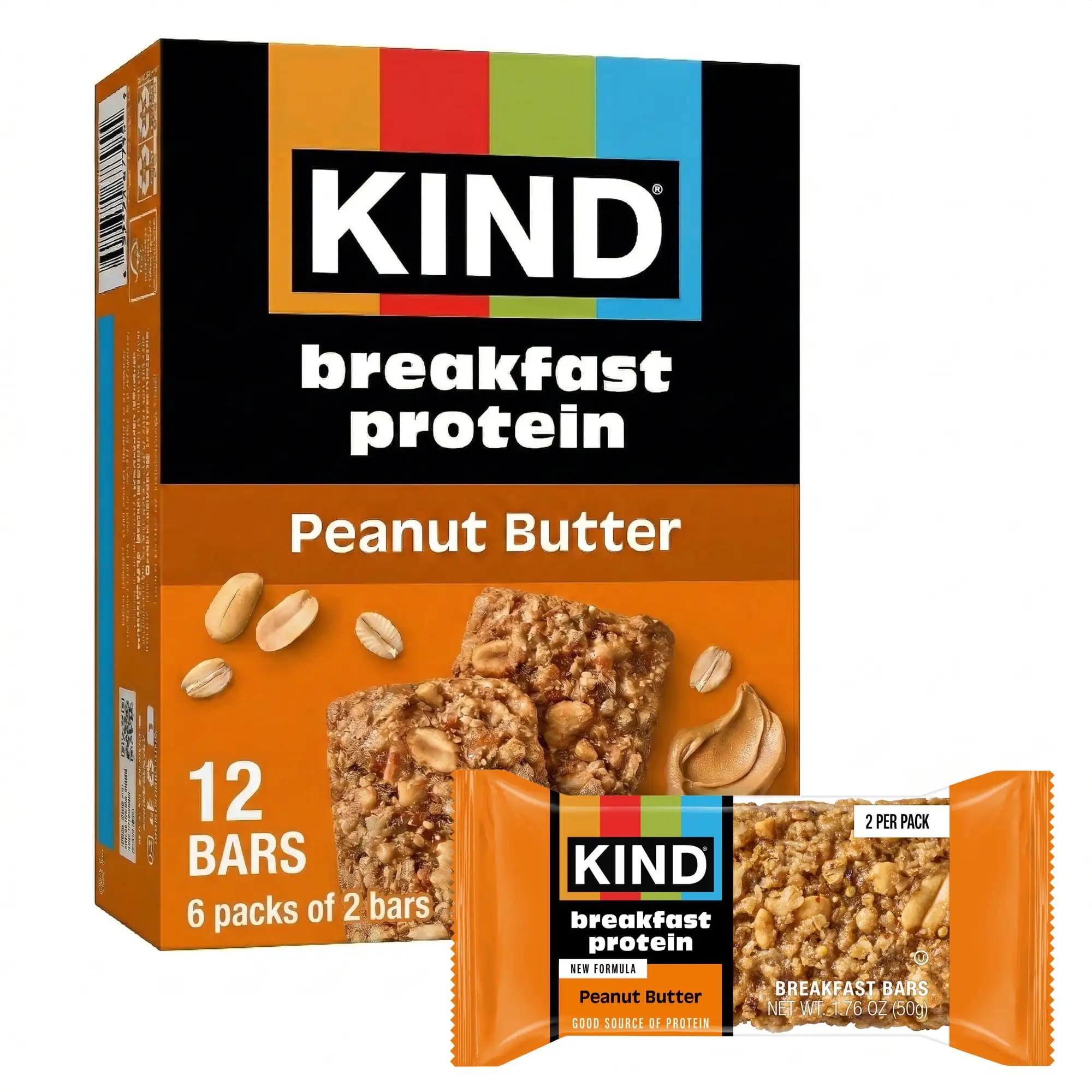
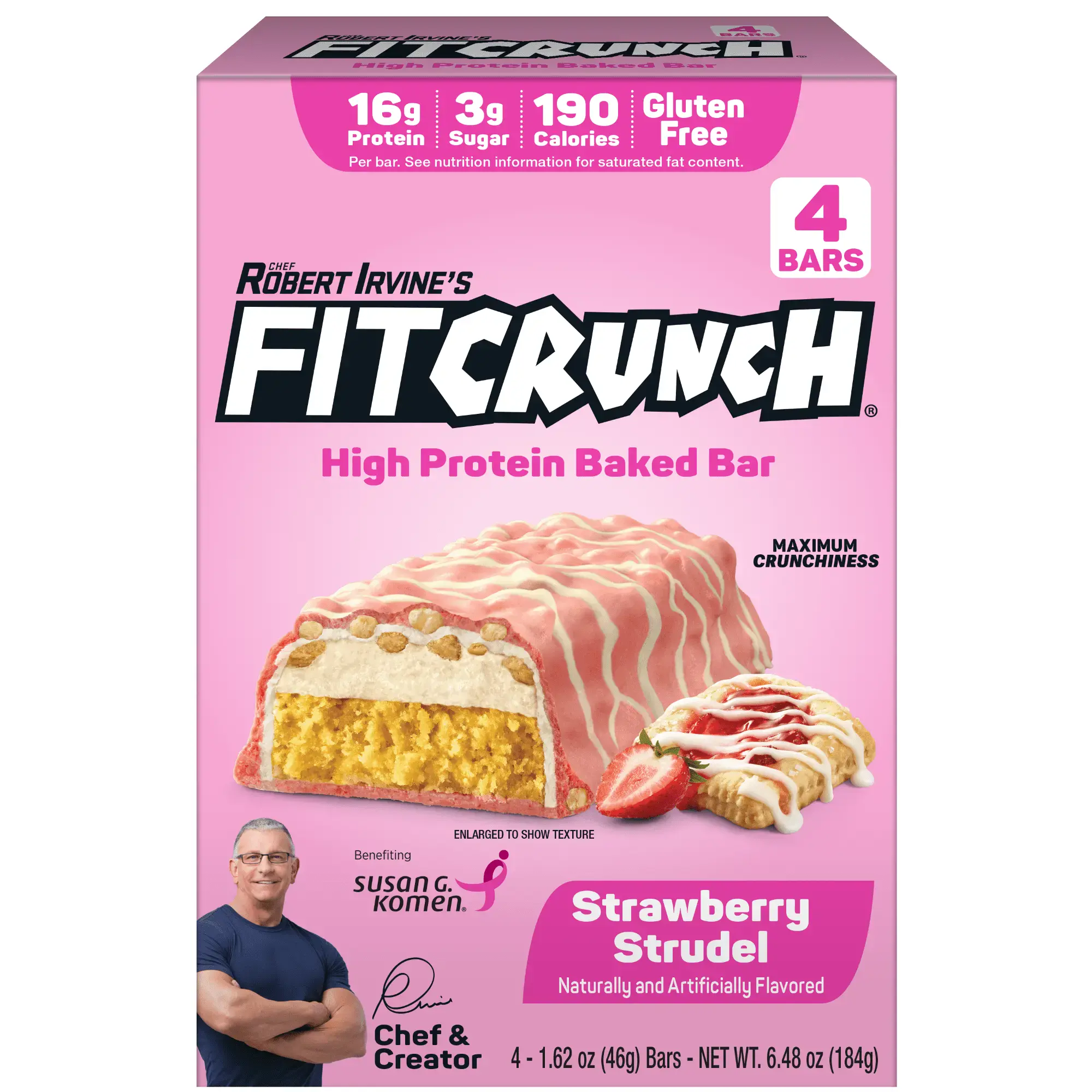
This is SimplyProtein's strongest competitive position. The PB Chocolate 12-pack ranks 13th of 267 category bars for this persona, inside the top 5%. The Dipped line (Birthday Cake, Cookies & Crème) uniquely serves the 'treat that's not junk' need that mass-market competitors (Clif, KIND) don't directly address. The gap to close: emotional packaging storytelling that signals 'family-tested, kid-approved' rather than 'clean-label adult nutrition.'
Gen Alpha Parents
PrioritizeAFI 6.42Rank 3 of 10 · Certification-driven trust
Best-fit SKUs: Dipped Birthday Cake bars (7.43) · Dipped Cookies & Crème snack bar (7.28) · PB Chocolate snack bars (7.14)
Millennial parents (ages 28–40) raising Gen Alpha kids. Hyper-informed about nutrition, ingredient sourcing, and environmental impact. They research brands on social media before purchasing, read every label, and are willing to pay premium for products that align with their values. This persona gravitates toward brands with transparent supply chains, clean certifications, and sustainability stories. SimplyProtein's plant-based, non-GMO positioning resonates, but the brand needs to lean harder into the certification stack and transparency narrative to capture this audience fully.
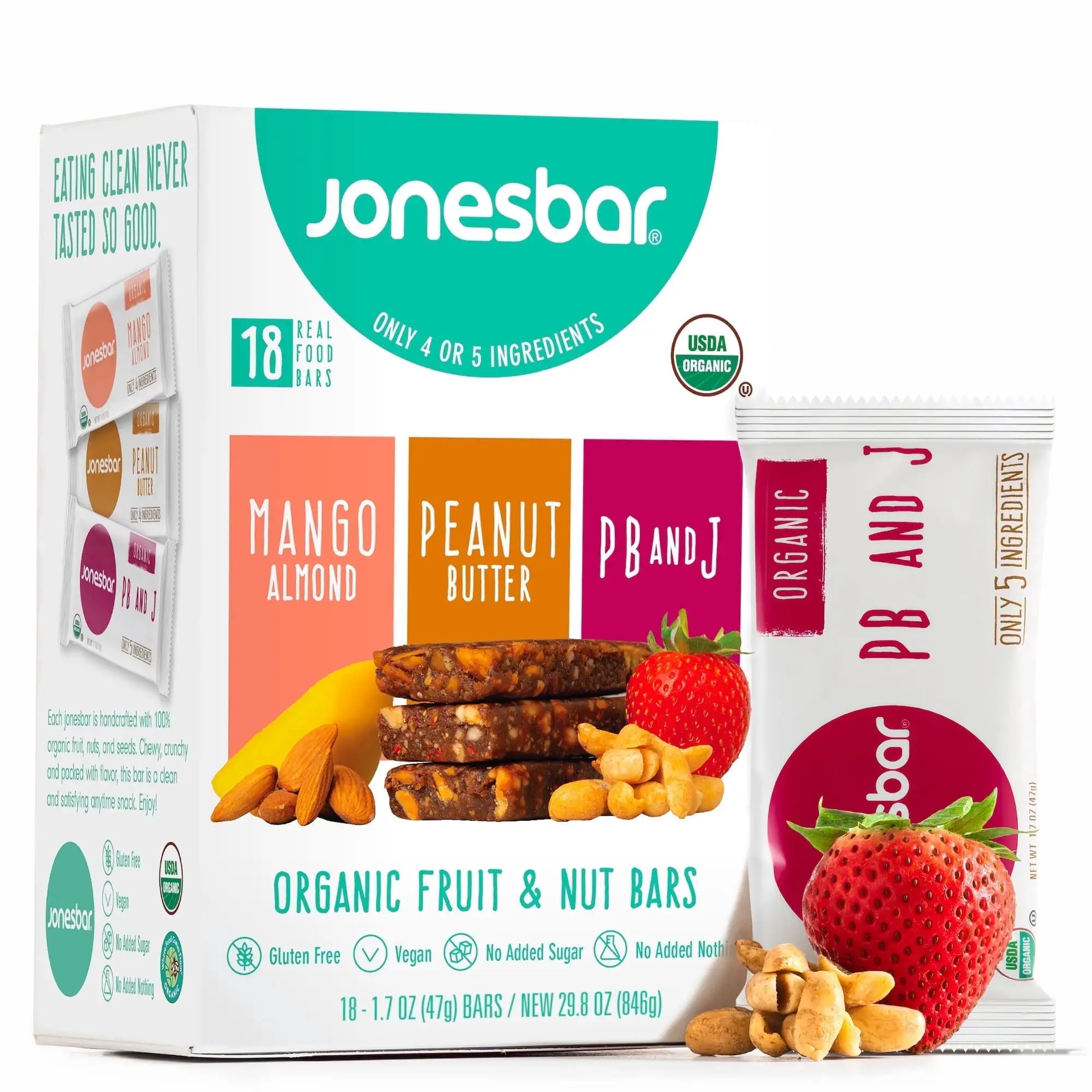
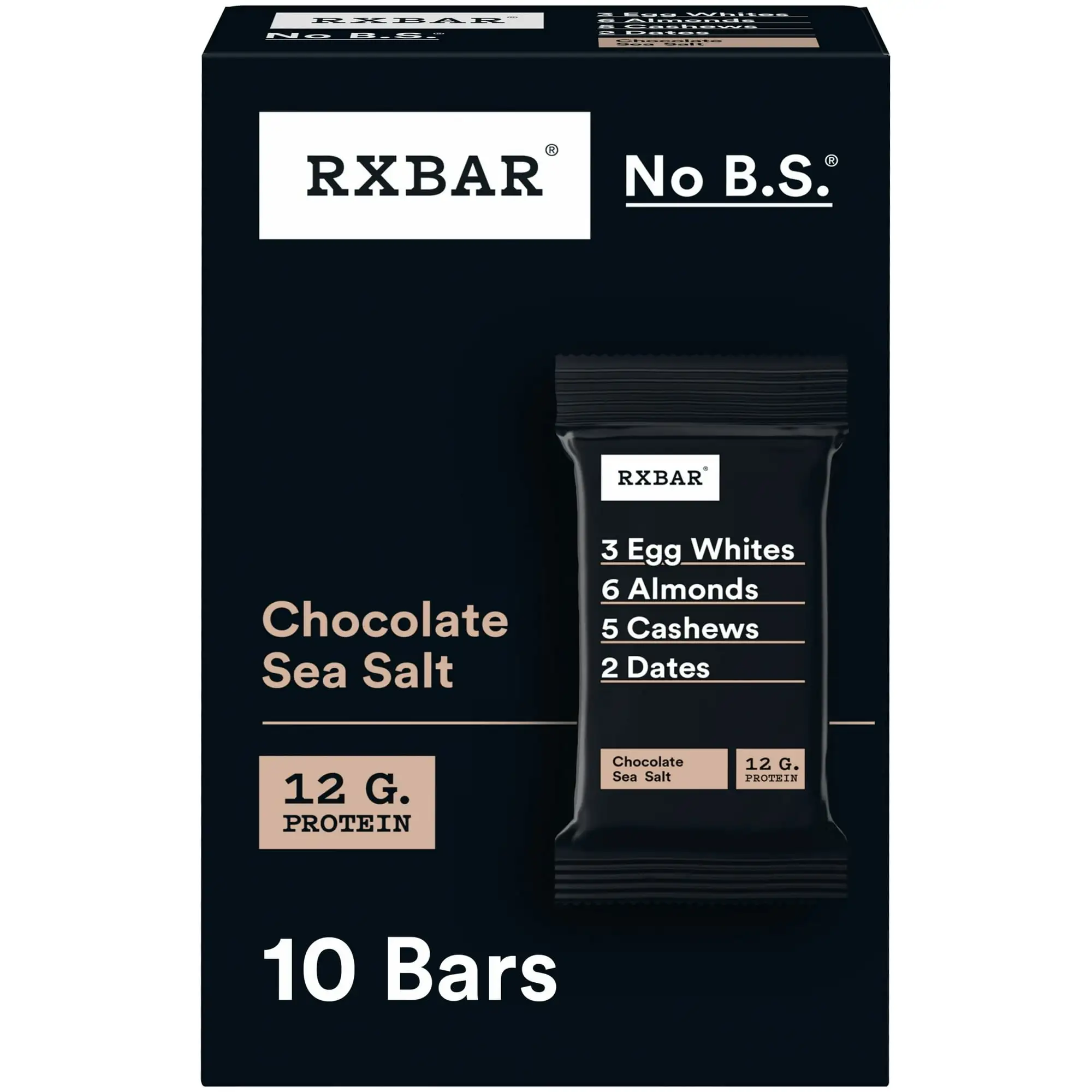
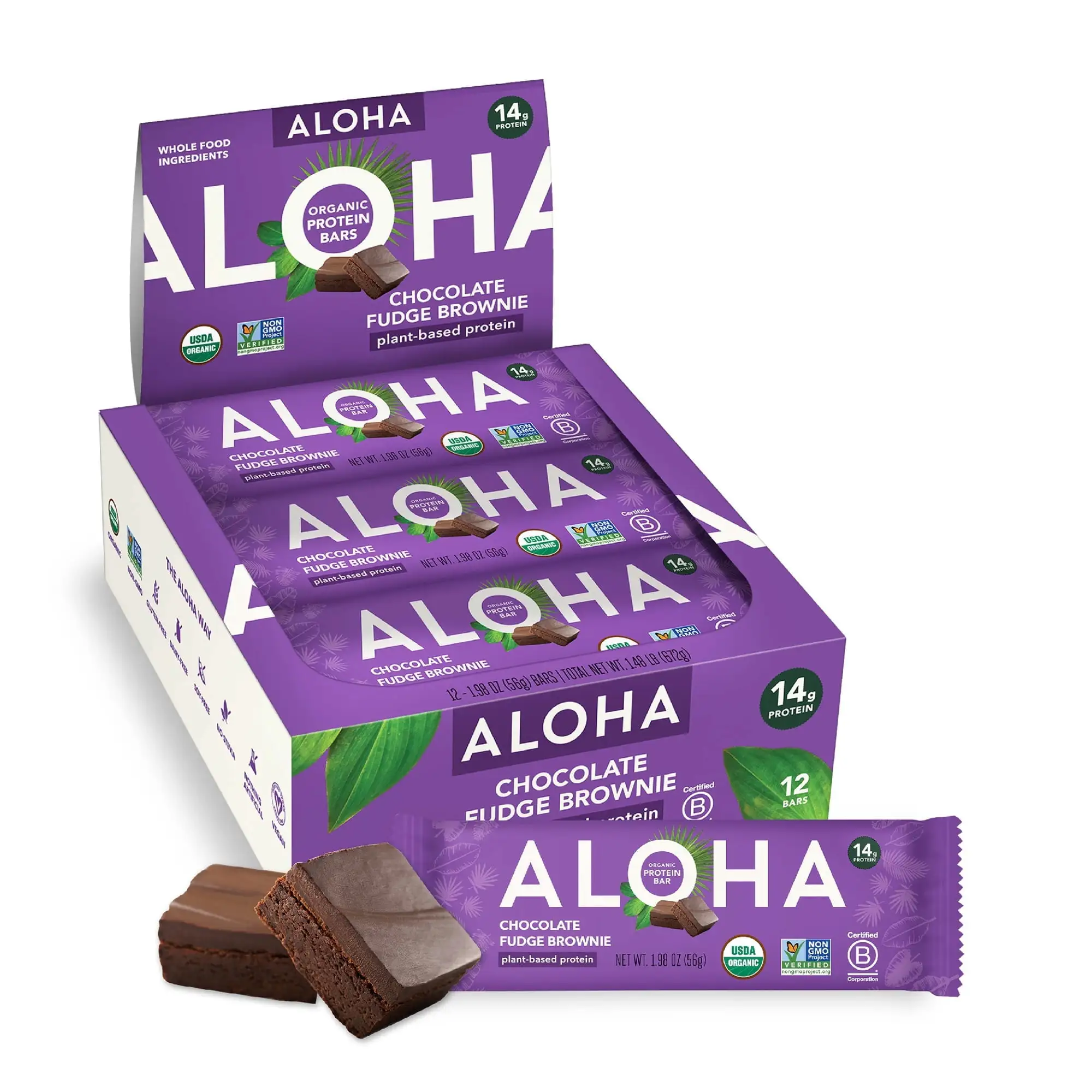
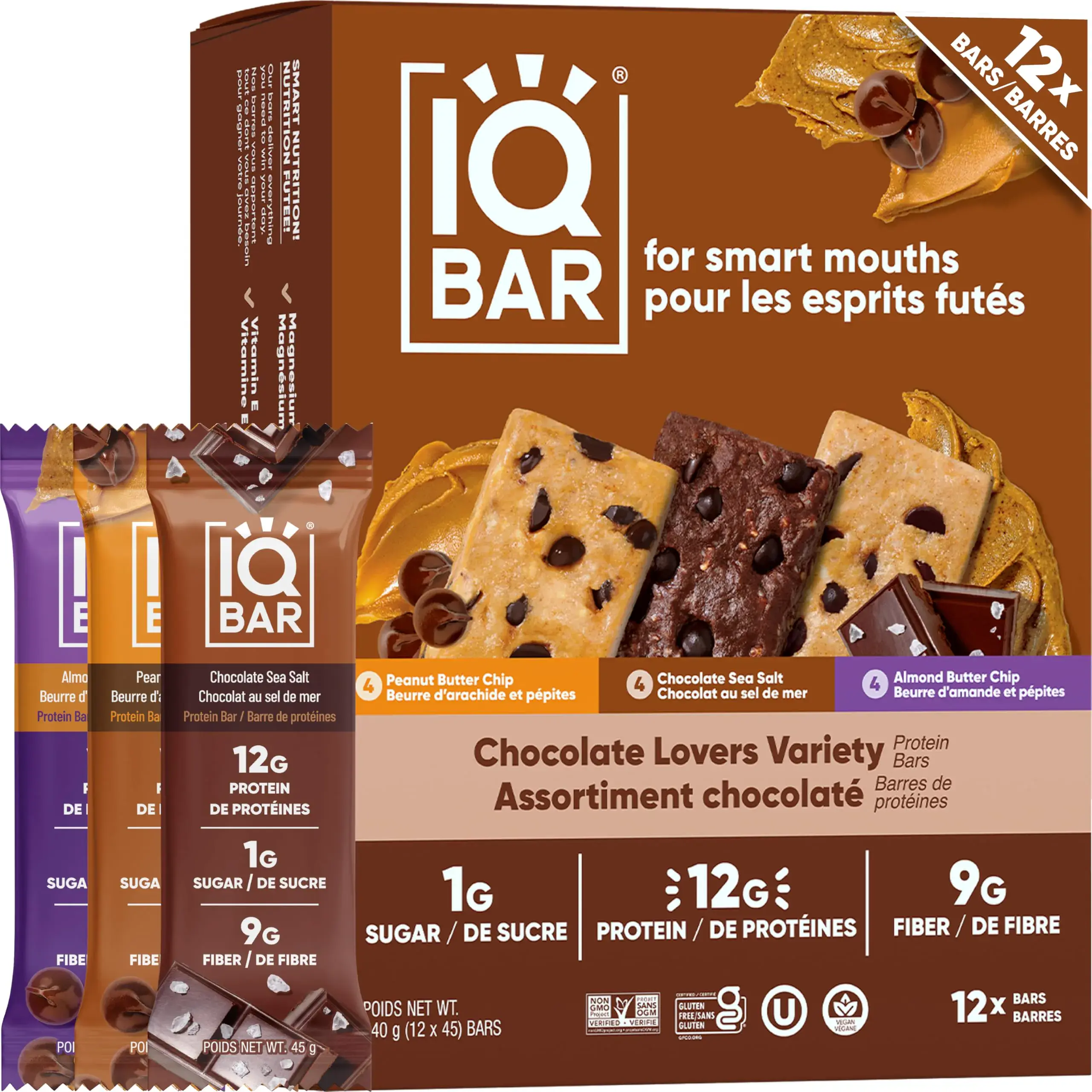
Gen Alpha Parents reward the certification stack more than any other persona, and more than category leaders do. SimplyProtein's non-GMO + gluten-free + plant-based trifecta scores 6.15 on Values & Trust, which is the highest across all 10 personas. The competitive read: Jonesbar and RXBAR win on emotional storytelling (founder narrative, ingredient transparency), not on certifications. SimplyProtein can close the gap by adding B Corp or regenerative-agriculture claims that this persona actively seeks but category leaders don't yet offer.
The develop tier: viable but secondary
Four audiences worth holding, not leading with. All 8 layers each.
Wellness Warriors
DevelopAFI 6.25AFI 6.25 · rank 4
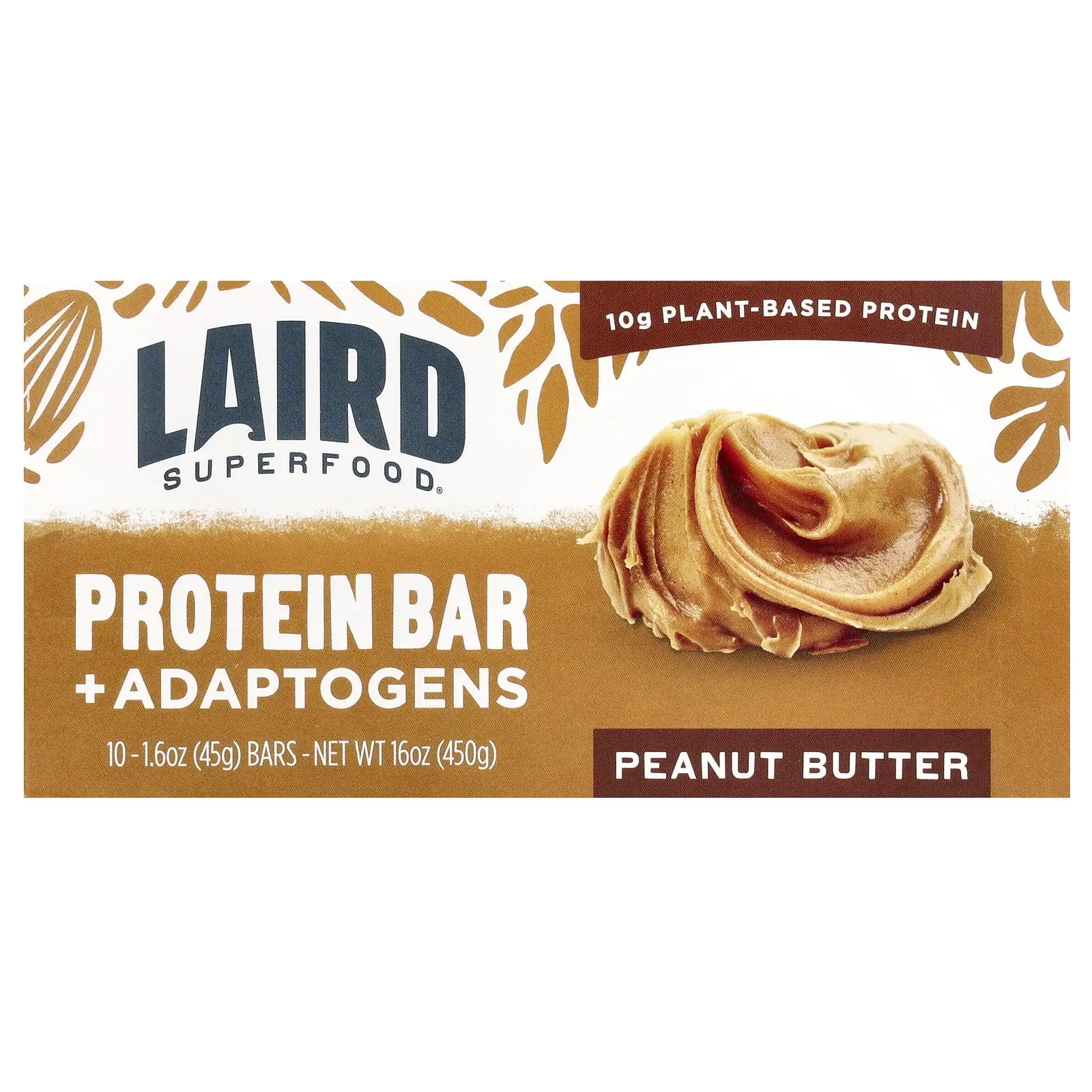
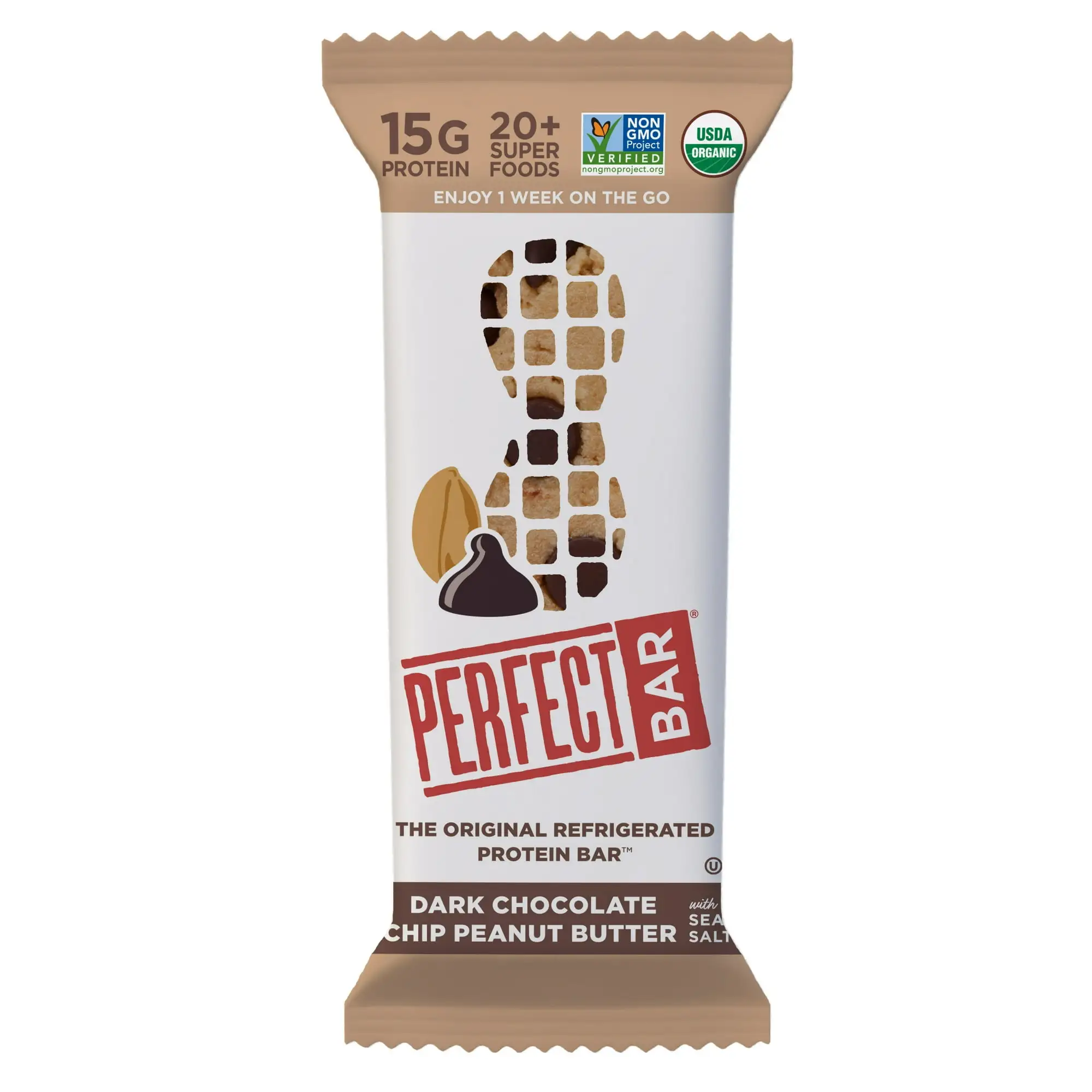
Wellness Warriors are the most strategically tempting trap in this dataset. The brand is clean, certified and plant-based, so the instinct is to chase them. But the scoring is clear: Emotional Resonance is only 6.02 and the values layer carries the brand’s softest sub-signals, ingredient integrity at 4.94 and a sensed health-halo gap. To this audience the crispy protein-isolate base does not read as a premium clean formulation, and the brand sits outside the category top 40 for their emotional resonance. Treat as a defend-not-conquer audience.
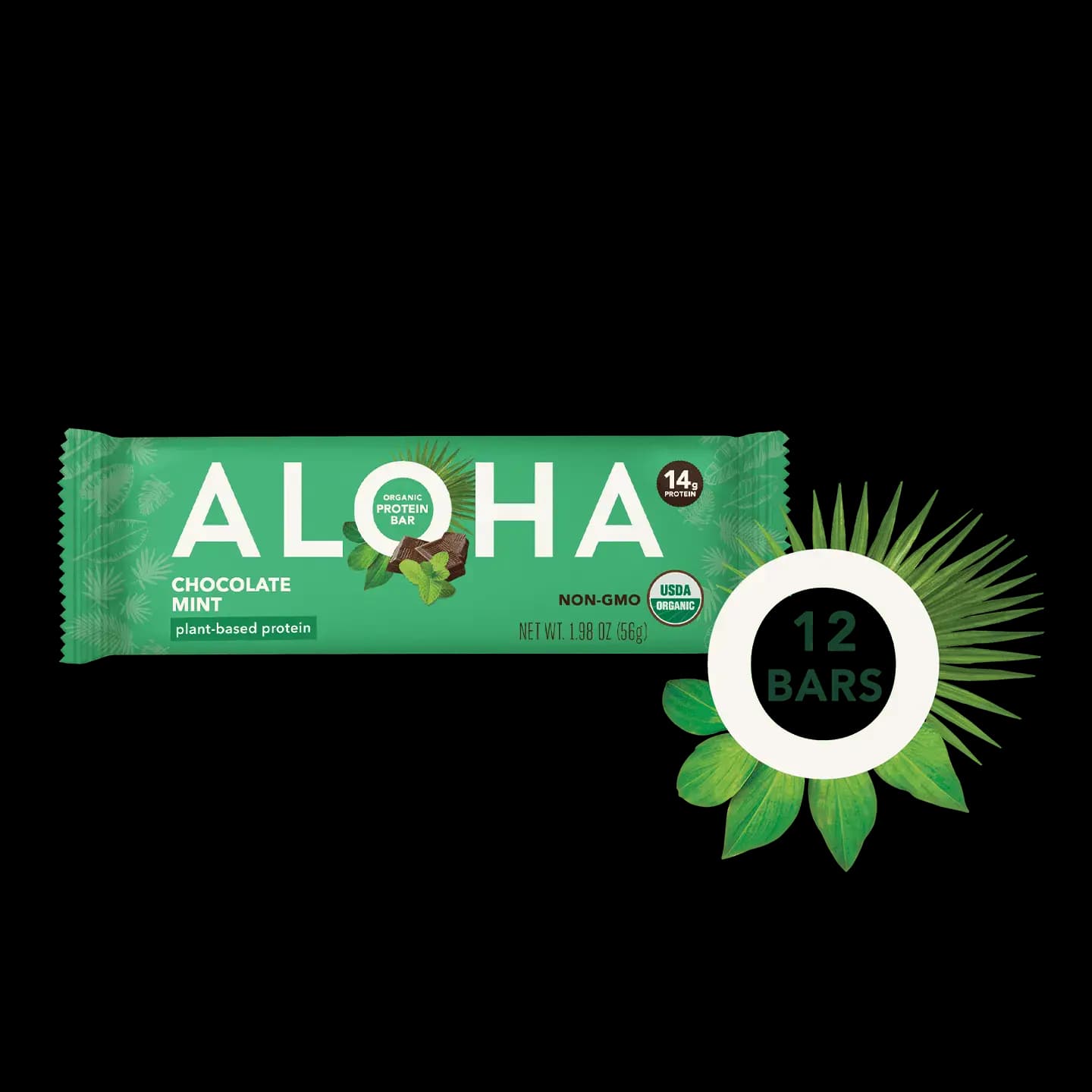
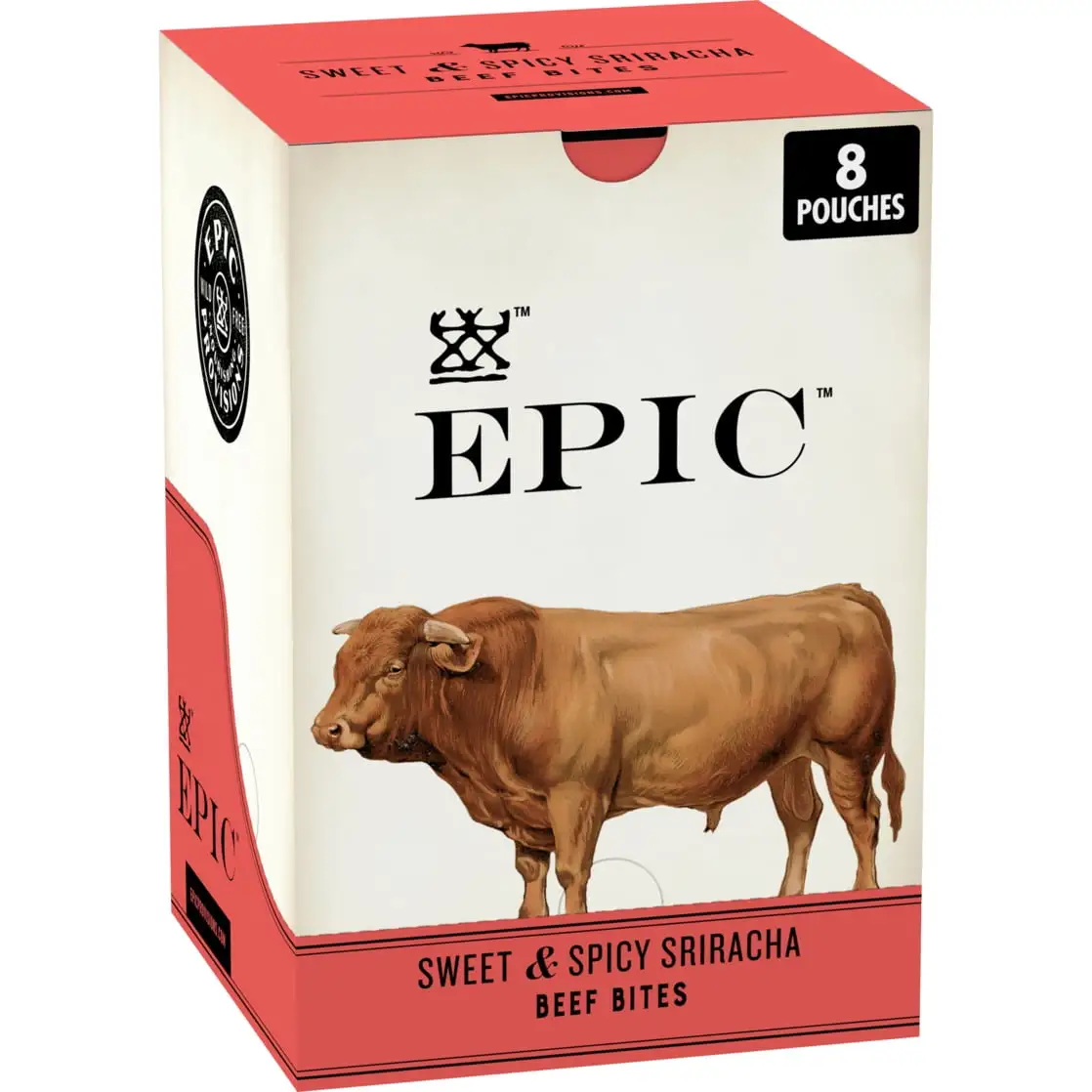
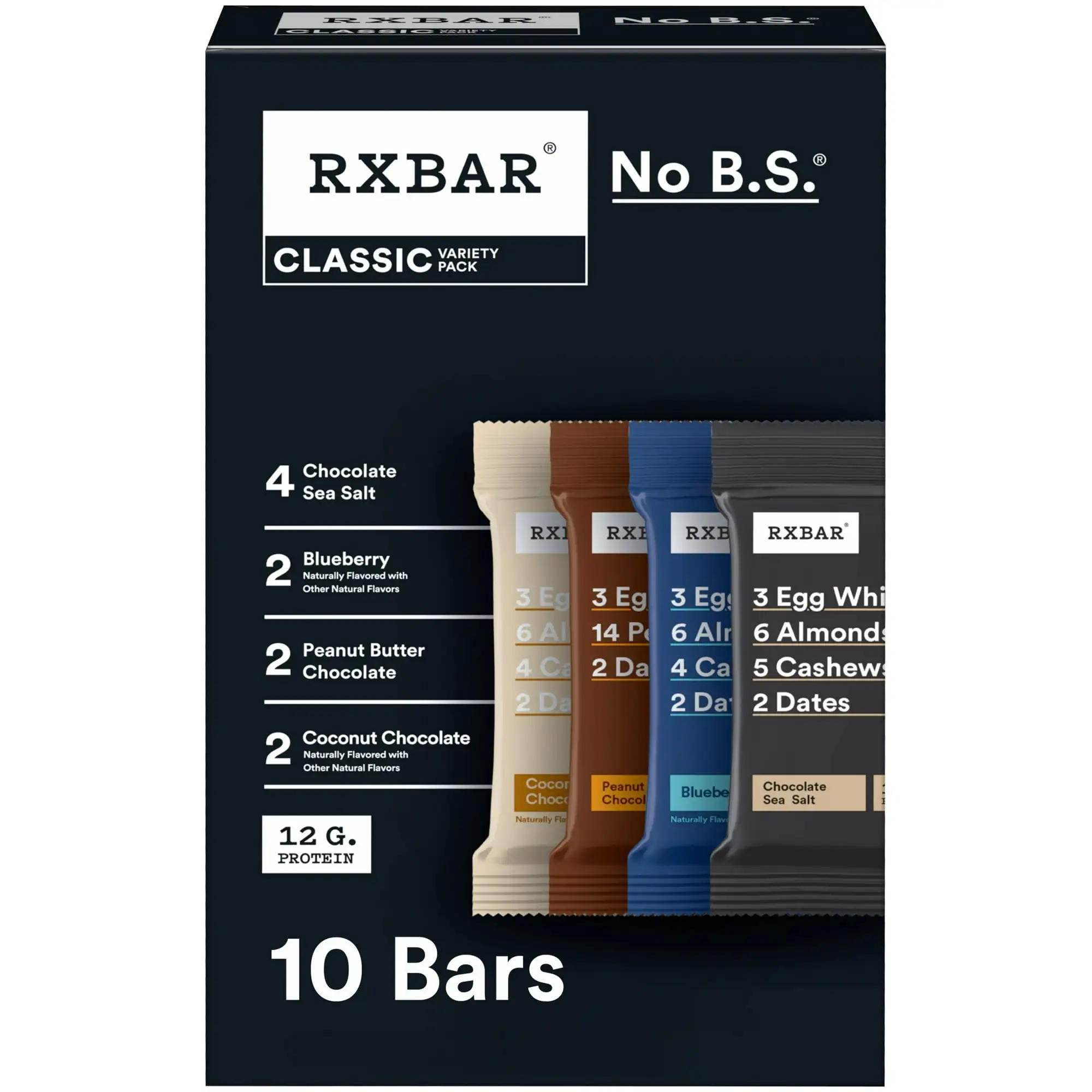
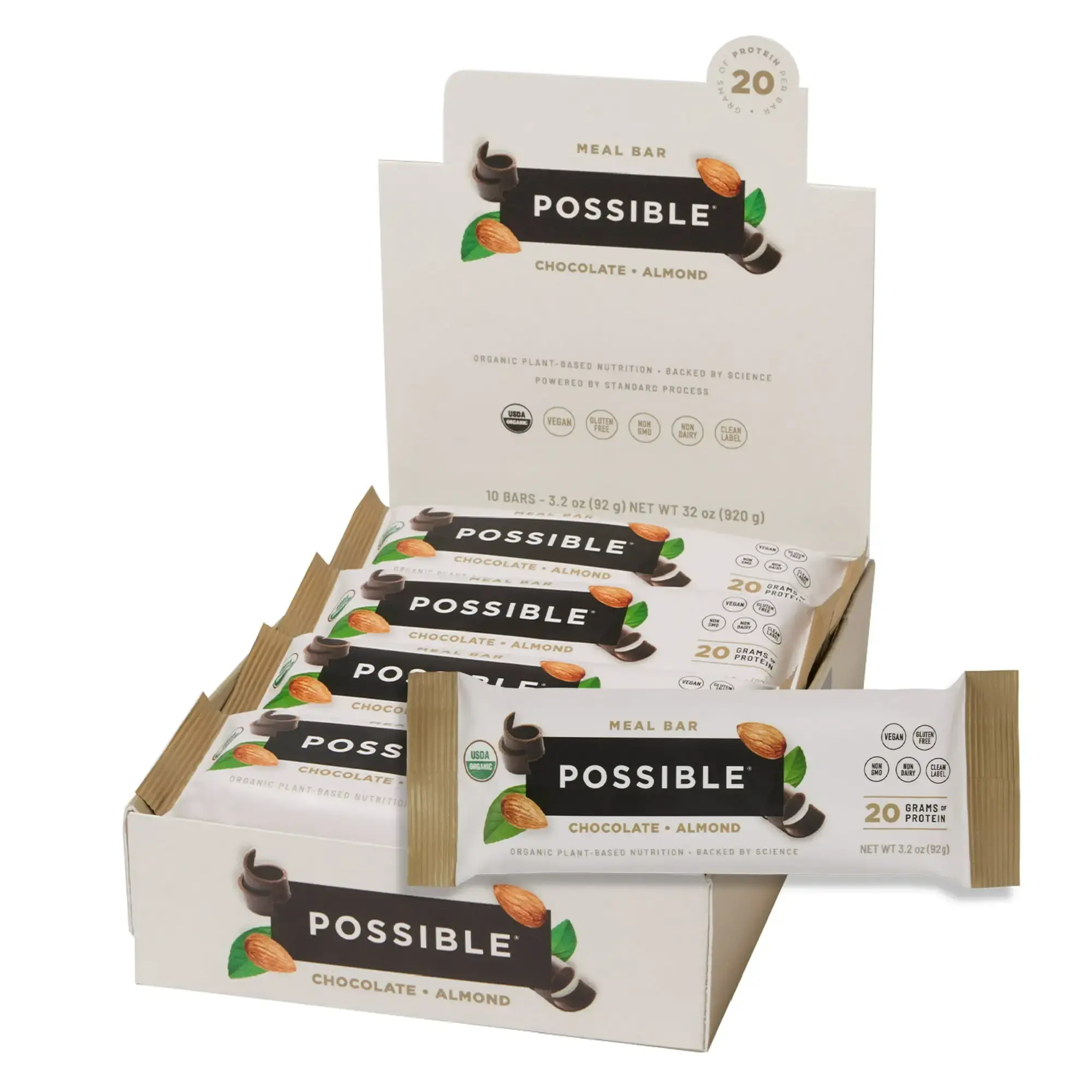
Wellness Warriors chase the clean-label leaders. SimplyProtein sits well behind Laird, ALOHA, Perfect and Jonesbar on resonance. Ranked by Gutsy emotional-resonance score, of 267 category protein bars.
Green Pioneers
DevelopAFI 6.08AFI 6.08 · rank 5
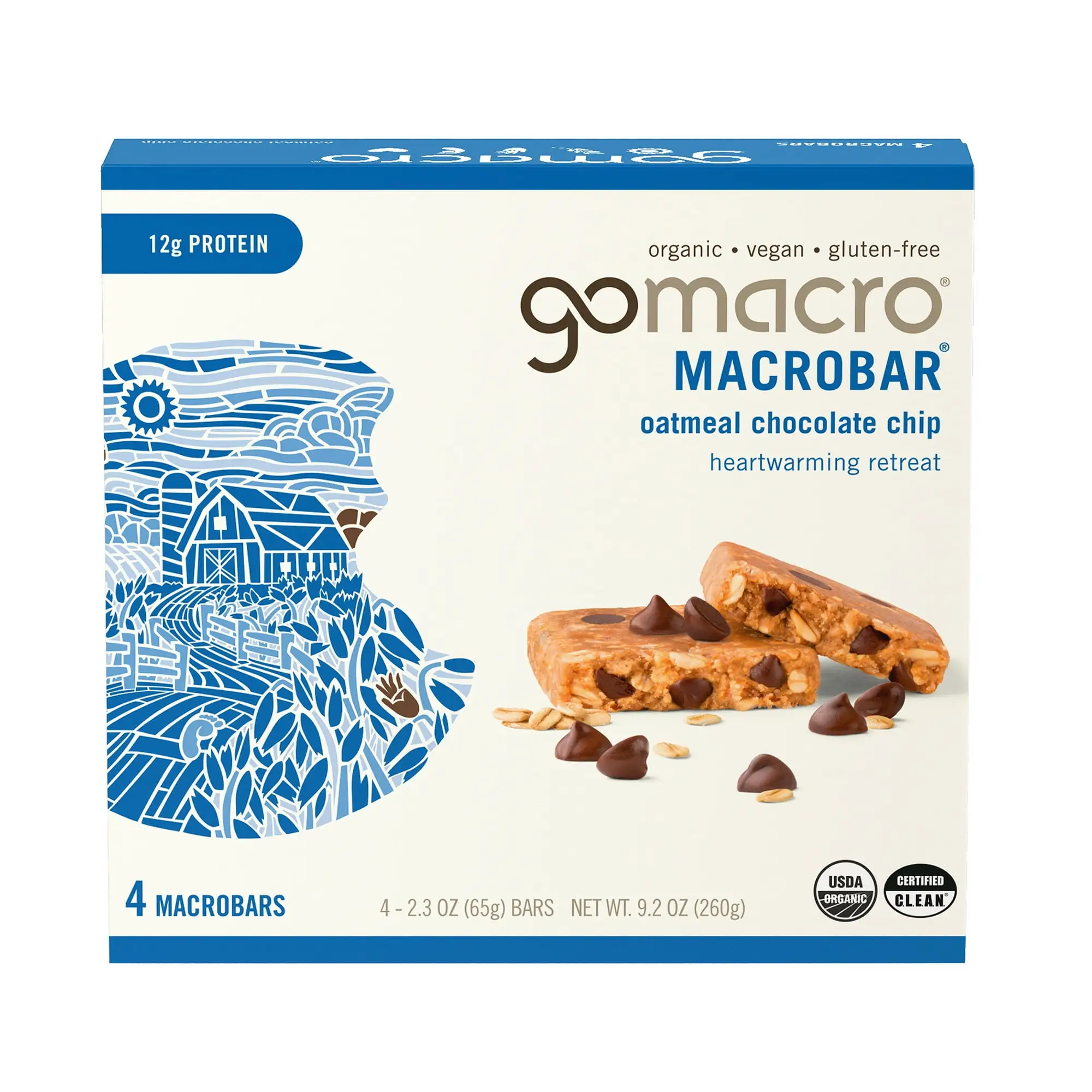
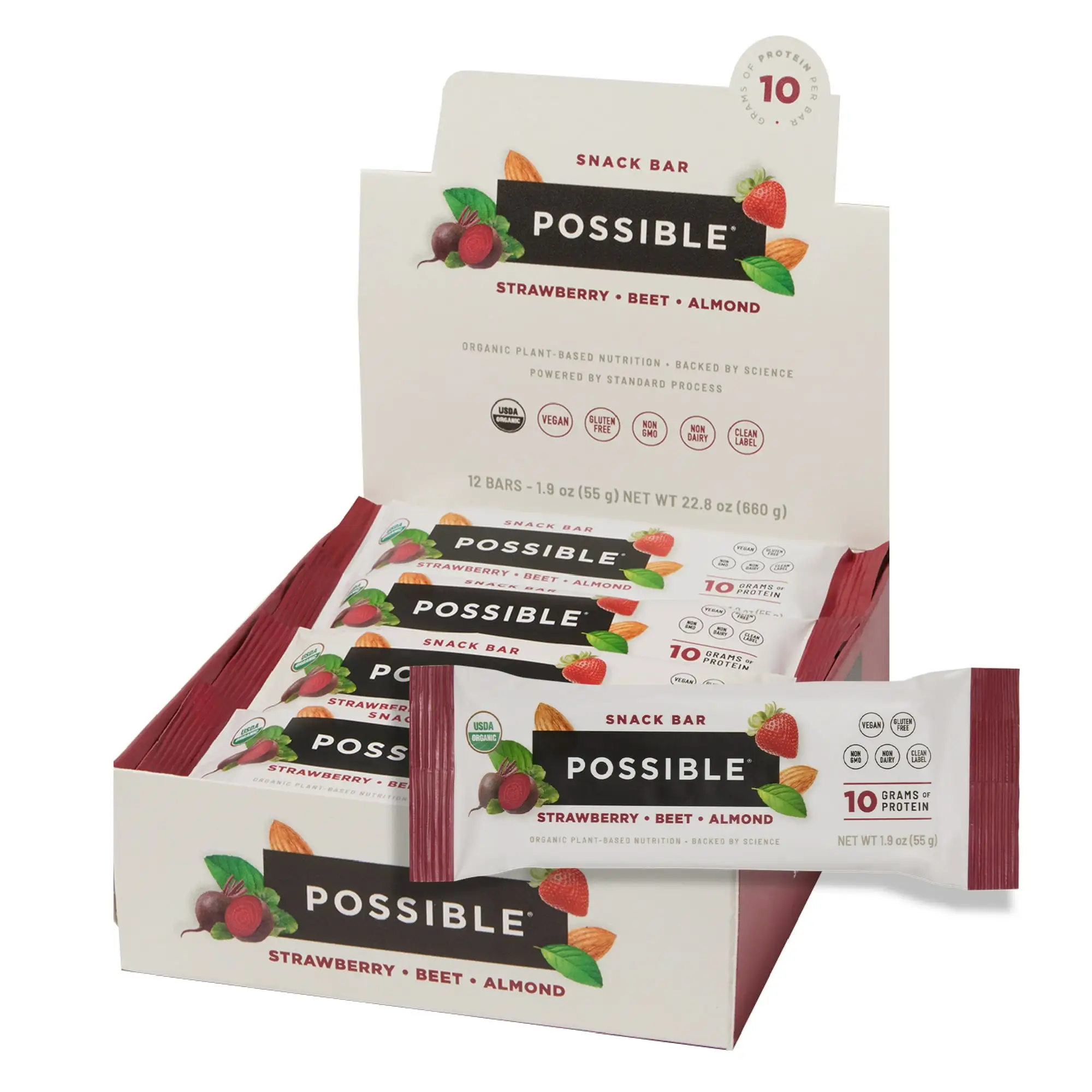
Green Pioneers believe the functional claims (Functional Belief 7.37) and respond to the B Corp badge, but the sustainability story is under-proven to them. Single-wrap, non-resealable packaging drives the lowest resealability score in the entire dataset (1.91) and a weak package-value read. A packaging upgrade is the single biggest lever for this audience.
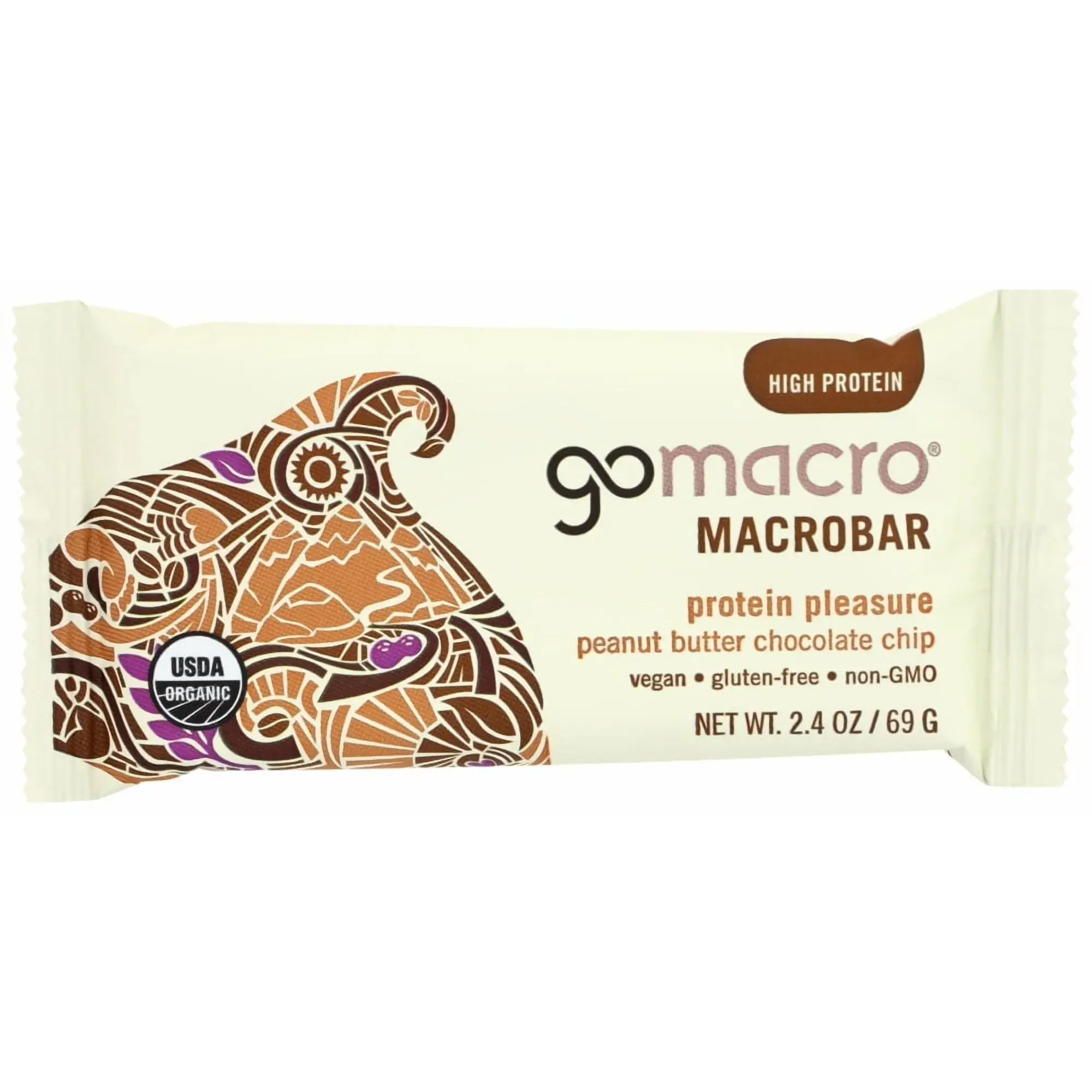
Green Pioneers gravitate to organic, sustainably-packaged names. GoMacro and ALOHA lead; SimplyProtein itself ranks just behind them in the category.
Boomer Downsizers
DevelopAFI 6.03AFI 6.03 · rank 6
Boomer Downsizers give SimplyProtein a calm, reassurance-led response and the second-best price-value read in the field. They convert slowly and quietly: low sharing, low deal-dependence, modest habit formation. A steady secondary audience, strongest where simple decisions and proven quality are the shopping cues.
Tech Titans
DevelopAFI 5.77AFI 5.77 · rank 7
Tech Titans understand and trust the product but feel little for it. Aspiration (3.62) and social-signal (4.36) are low, and Behavioral Conversion is the weakest in the develop tier at 4.82: they are price-insensitive but inert, with no advocacy or switching intent. The brand carries no innovation signal for them. Not worth dedicated investment.
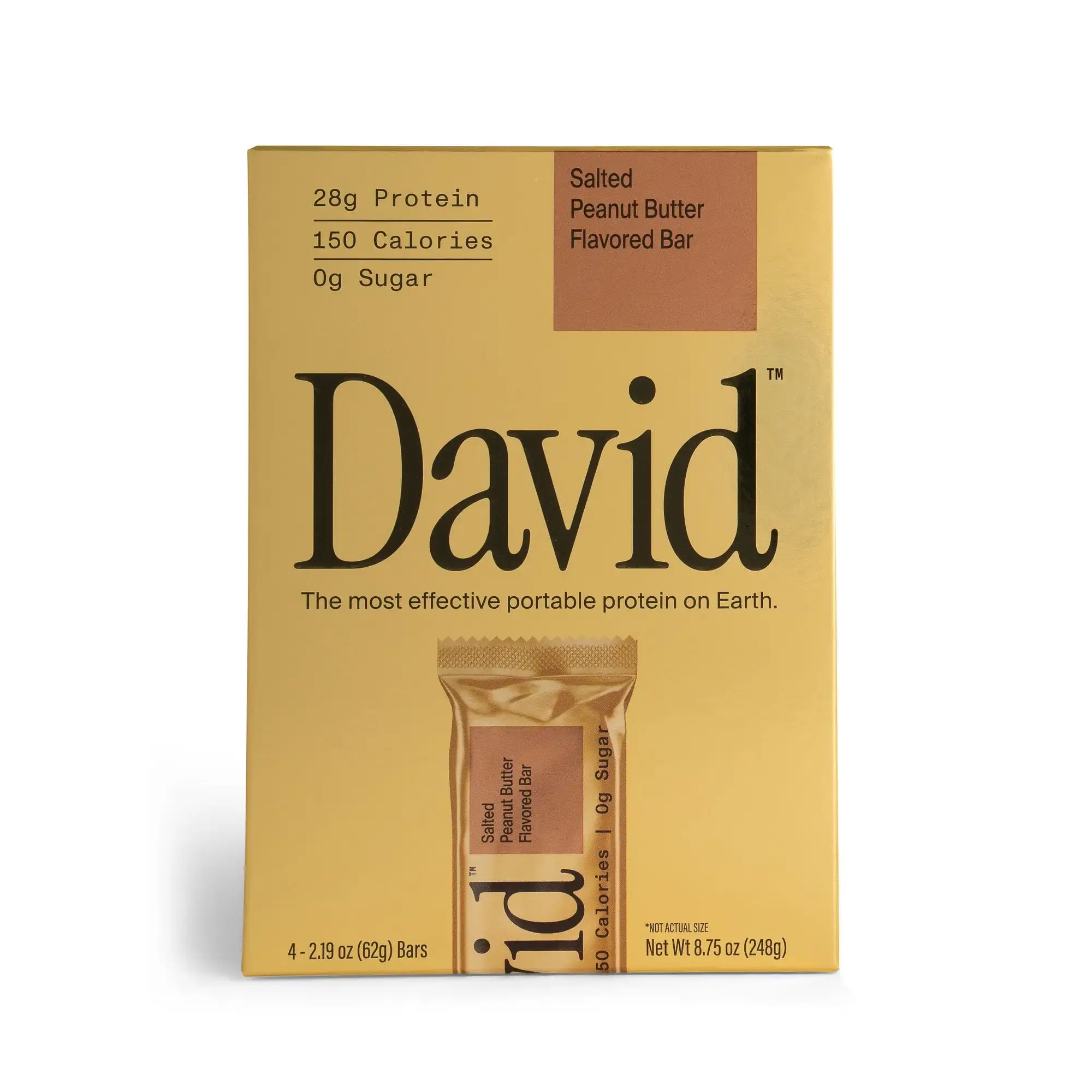
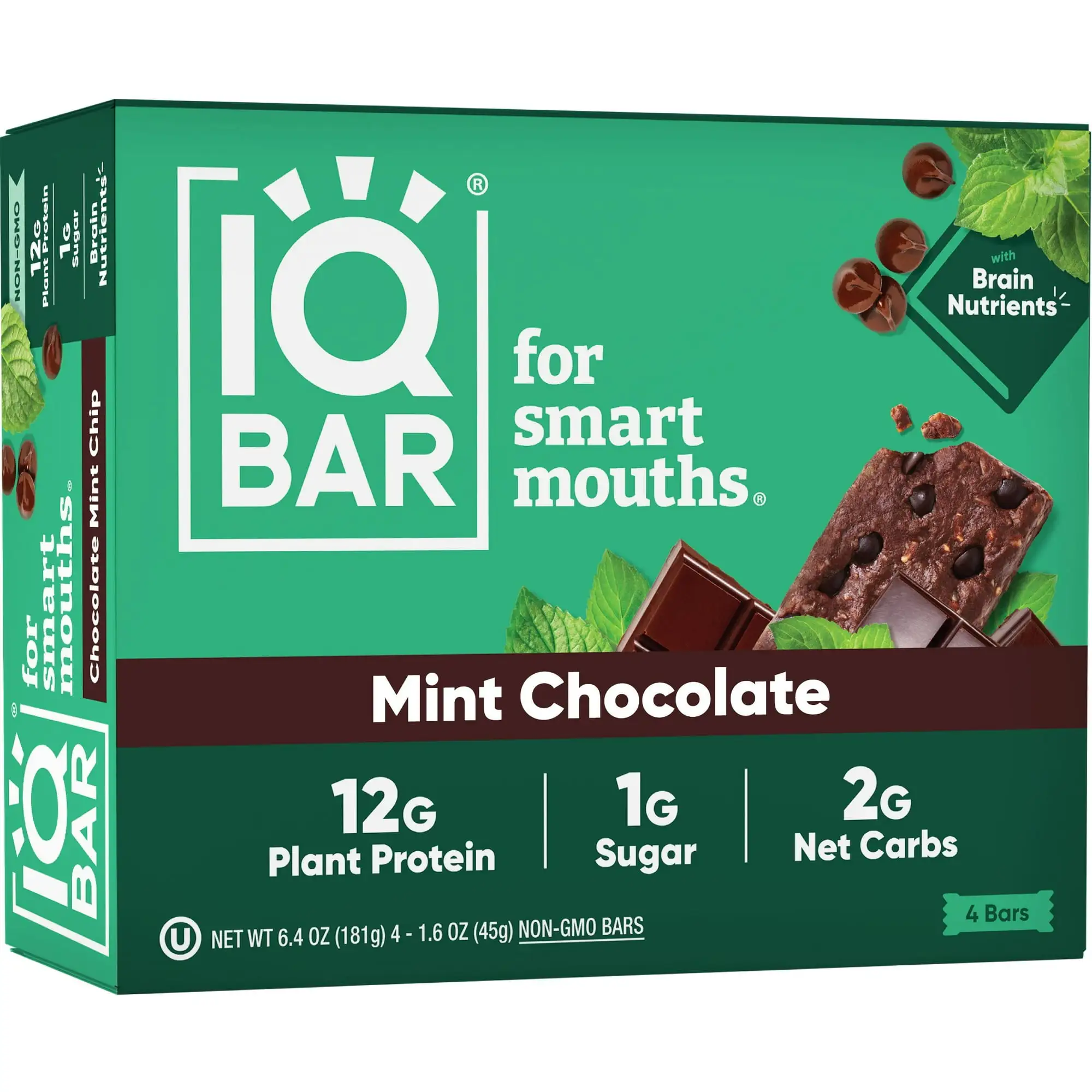
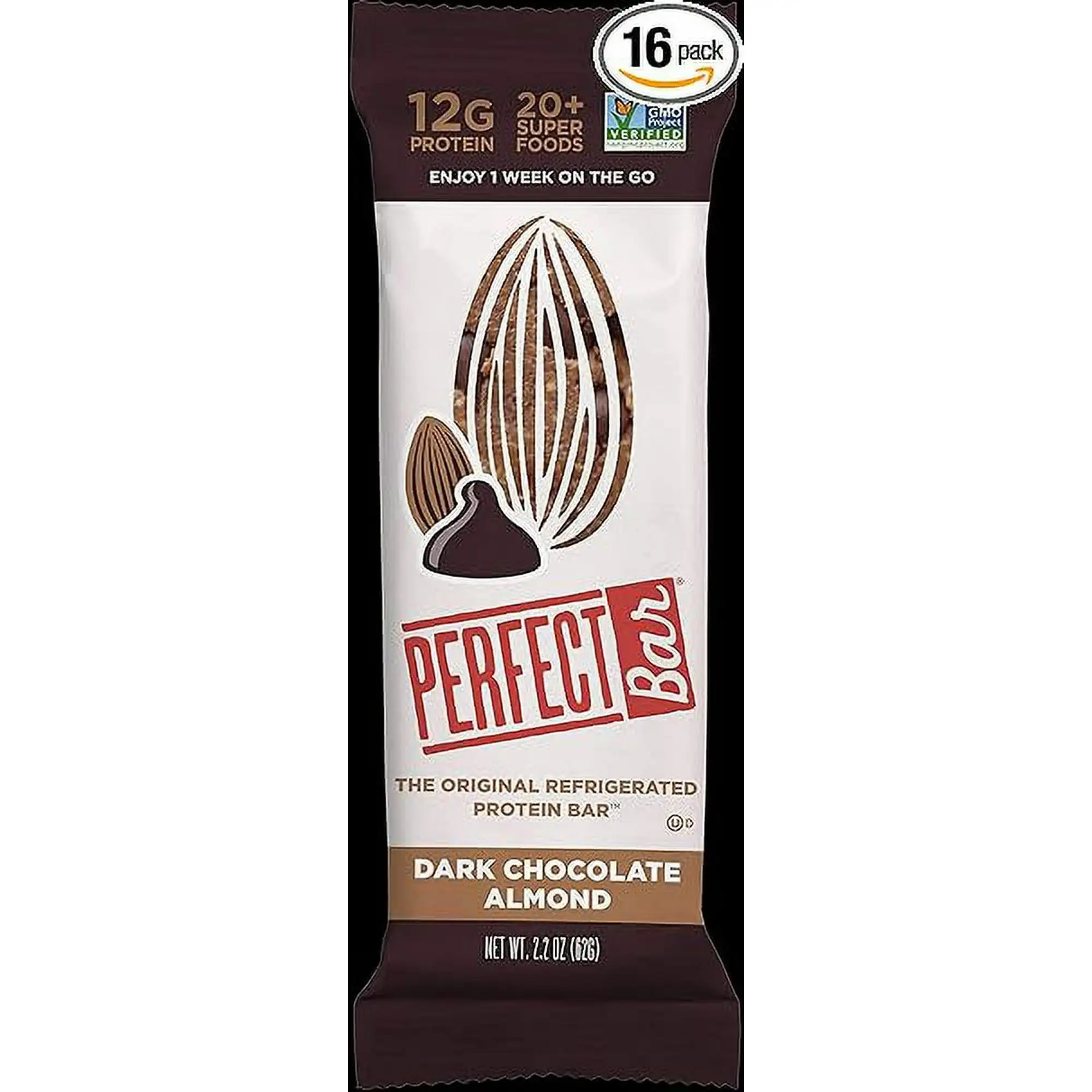
All three post Emotional Resonance between 3.18 and 3.71 and Behavioral Conversion between 3.26 and 4.85. Finance District and Warehouse District reject the brand on identity grounds (no status or indie credibility); Blue Collar Backbone rejects it on value and audience-fit grounds.
The deprioritize tier: where not to spend
Three audiences that structurally reject the brand. Naming them protects the budget.
Blue Collar Backbone
DeprioritizeAFI 4.74AFI 4.74 · rank 8
Blue Collar Backbone reads SimplyProtein as not made for them: audience clarity collapses to 3.78 and identity fit to 3.04. They are the most price-sensitive persona in the dataset (price sensitivity 8.79, price-increase drop-off 8.65) and distrust the certification and health story. Conversion is near the floor.

Warehouse District
DeprioritizeAFI 4.56AFI 4.56 · rank 9
Warehouse District gives the brand the lowest Emotional Resonance of any persona (3.18). To an audience that prizes indie credibility and aesthetic distinction, SimplyProtein reads as corporate and generic: brand authenticity 2.80, identity fit 2.13. There is no realistic path to win them.
Finance District
DeprioritizeAFI 4.22AFI 4.22 · rank 10
Finance District posts the lowest Audience Fit Index in the field (4.22) and the lowest Behavioral Conversion (3.26). The brand carries no premium or status signal for them: aspiration 1.54, social-signal 1.65, premium justification 2.33. They will simply not adopt it.
Two bespoke custom audiences
The priority tier resolved into activation-ready audiences, each anchored to the SKUs that score highest with it.
The Weekday Refuelers
Core volume audienceBUILT FROM COMMUTER BELT COUPLES + CUL-DE-SAC COMFORT · COMBINED AFI 6.75
Time-pressed, household-anchored adults who treat a protein bar as a functional weekday solve: the desk-drawer afternoon pick-me-up, the gym-bag refuel, the post-school-run grab. They want convenience, predictability and fair value, and they want health without being preached at. They convert into habit and repurchase: basket fit clears 8.1 and use frequency clears 7.5 across both source personas. This is the brand's volume engine.
The Lunchbox Gatekeepers
Targeted growth audienceBUILT FROM GEN ALPHA PARENTS · AFI 6.42
Parents buying for children’s lunchboxes and after-school snacking. This is a buy-for-someone-else mission, gated on safety and clean-ingredient cues rather than personal taste. Gen Alpha Parents give SimplyProtein its highest Values, Trust and Risk score, and the signal is specific: certifications at 8.91 and sustainability credibility at 8.11. The dipped 25g bars are already engineered for this audience and score highest with it.
Section 3: Channel Opportunity and Action Plan
Category and channel landscape
The protein-bar channel backdrop, and SimplyProtein current footprint.
The audiences point to the channels. SimplyProtein's priority tier shops mass, grocery and warehouse club, and the category's growth is concentrated in two places the brand is under-built: e-commerce and convenience-store single-serve.
- •THE CATEGORY BACKDROPThe US protein bar category is worth roughly $5.3bn in 2025 and is growing in the mid single digits annually; North America is tracking close to $8bn. Supermarkets and hypermarkets remain the largest channel at about 35.5 percent of US sales, with mass merchandisers a comparable share. Online is the fastest-growing channel, posting high-single to low-double-digit annual growth. Convenience stores are accelerating specifically around higher-protein, better-for-you snacks, and warehouse club is expanding, though private-label club bars now undercut branded equivalents by 30 to 40 percent.
- •SIMPLYPROTEIN CURRENT FOOTPRINTThe brand distributes across 50-plus US and Canadian retailers, including national warehouse club (Costco), natural and specialty (Whole Foods, Thrive Market), mainstream grocery (Meijer, Albertsons/Safeway, Harris Teeter, HyVee and regional banners), Amazon and its own direct-to-consumer store. Data caveat: Gutsy's scored records for SimplyProtein are drawn entirely from the Walmart marketplace, so the persona scoring reflects the Walmart shelf specifically.
Channel priority by audience
Mapping the priority audiences to the channels where they convert, and the white space.
Roughly one in eight US adults now uses a GLP-1 medication, projected above 30 million by 2030. These consumers shift hard toward small, high-protein, high-fibre, low-sugar formats. SimplyProtein's profile (200 cal or under, up to 13g protein, 2g sugar, 7g fibre) is structurally well-suited: a credible amplifier for the Weekday Refueler audience across club, grocery and e-commerce.
In Gutsy's product evaluation, commercial signals are SimplyProtein's weakest dimension brand-wide. One listing, a 6-pack priced at $55.99, is a clear data or pricing error. Resealability scores near 2 across the line. These weaknesses bite hardest in warehouse club and convenience.
Recommended action plan
Seven prioritized moves, drawn directly from the Gutsy scoring and the channel read.
SimplyProtein should stop trying to be a clean-label hero brand and fully own being the dependable weekday protein snack for mainstream households, then follow that audience into club, convenience and e-commerce.
Want an audience research report for your brand?
Run a Gutsy study against AI-lookalike audiences calibrated to your category. Same depth, your own products, results in minutes.
Methodology & Caveats
Dataset. 11 SimplyProtein SKUs with completed Gutsy intelligence, benchmarked against 267 protein bars · Gutsy scoring date May 2026 · marketplace base: Walmart.
Scoring. Each product scored by Gutsy's AI persona simulation against 10 personas across 8 perception layers built from 92 subfactors. Persona scores are brand-level averages across the SKU set. The headline metric is the Audience Fit Index, a weighted composite of emotional resonance (30%), behavioral conversion (30%), experience and context fit (20%) and the price-value equation (20%).
Pipeline. Gutsy intelligence pipeline · scoring date May 2026. Gutsy persona scores are simulated perception signals, not transactional sales data.
Channel & category sources. Category sizing and channel data from published 2025–2026 market research: Grand View Research (US Protein Bar Market); Mordor Intelligence (North America Protein Bar Market); CSP Daily News (c-store protein snacking); SimplyProtein Where-to-Buy; BakeryandSnacks and Green Queen (GLP-1 and 2026 protein trends).
Caveats. Gutsy's scored SimplyProtein records are Walmart-marketplace only; brand-level averages can mask SKU-level spread; the $55.99 6-pack listing appears to carry a data or pricing error and is flagged in Section 3. This report is an audience-fit recommendation, not a guarantee of commercial outcomes.
Prepared by Laird NRC using Gutsy persona intelligence · May 2026 · SimplyProtein is a brand of Wellness Natural Inc., referenced for analytical purposes only.